

Key Takeaways
- Deck builders that offer financing help homeowners start projects without draining savings.
- Paying upfront typically means lower total project cost since no interest accrues.
- Financing terms, credit checks, and fees vary widely between professional deck installers.
- Local deck building services often partner with third-party lenders rather than financing in-house.
- Comparing recent customer reviews can reveal how transparent a contractor is about financing terms.
- A hybrid approach — partial upfront payment, partial financed — is common for larger projects.
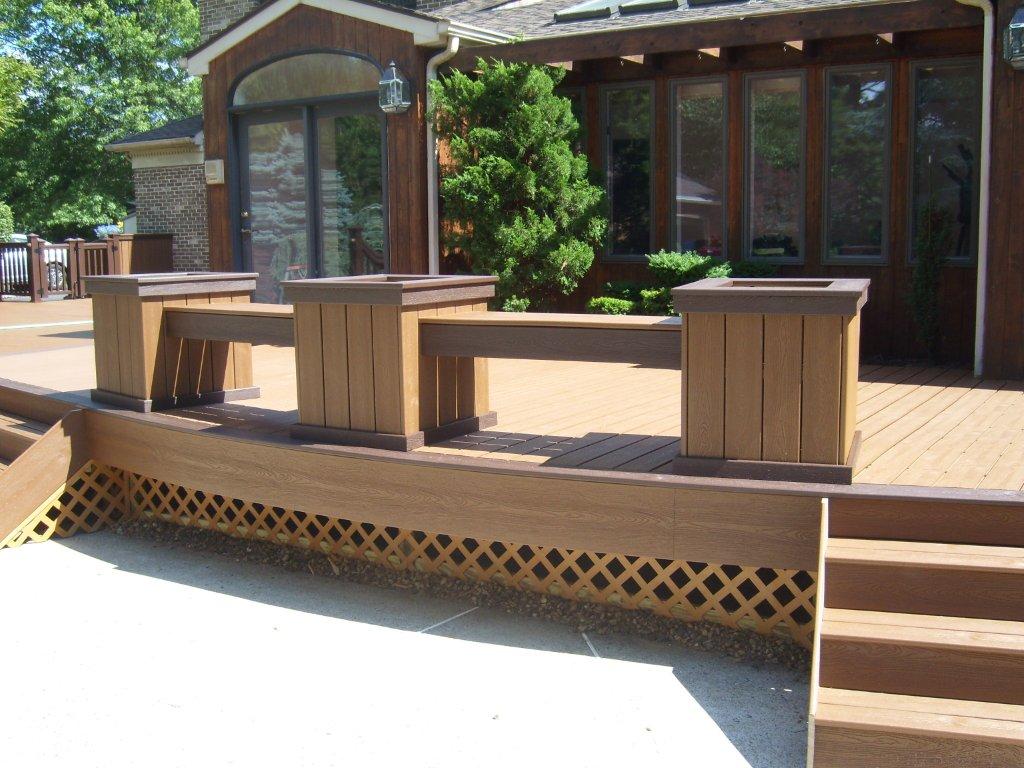
Choosing between deck builders that offer financing and paying upfront is one of the first financial decisions homeowners face once they’ve settled on a design. Both paths lead to the same finished deck, but they affect your monthly budget, total project cost, and how quickly work can begin. This article walks through the practical differences so you can decide which approach fits your situation, whether you’re comparing professional deck installers Pennsylvania has to offer or researching residential deck contractors anywhere in the country.
How Deck Financing Actually Works
Most deck builders that offer financing don’t lend the money themselves. Instead, they partner with third-party lenders — home improvement finance companies, credit unions, or platforms that specialize in point-of-sale financing. When you apply, the contractor submits your written project estimate to the lender, who evaluates your credit and offers loan terms directly to you.
Common financing structures include:
- Fixed-rate installment loans: Repaid monthly over 12 to 144 months depending on the lender.
- Same-as-cash promotional periods: Where no interest accrues if the balance is paid off within a set window (often 6–18 months).
- Home Equity Lines of Credit (HELOCs): Arranged independently through a bank rather than the contractor.
- Credit card financing: Sometimes used for smaller deck repairs or add-ons.
Interest rates and approval requirements vary significantly, so it’s worth requesting the annual percentage rate (APR) and full repayment schedule in writing before signing anything.
Step-by-Step: Deciding Between Financing and Paying Upfront
- Get a firm project quote. Ask local deck builders for a written estimate that breaks down materials, labor, permits, and any add-ons.
- Check your available cash reserves. Compare the quote against what you can pay without touching your emergency fund.
- Request financing terms from the builder. Ask which lenders they partner with, the APR range, and whether promotional no-interest periods apply.
- Calculate total cost both ways. Add up the financed total (principal plus interest) versus the upfront total, and compare the difference in real dollars.
- Factor in your timeline. If waiting to save up would delay the project by a full season, financing may be worth the added cost. Consider the typical construction timeline when making this decision.
- Read the contract terms twice. Confirm there are no prepayment penalties, balloon payments, or deferred interest traps.
- Make your decision and confirm it in writing with your chosen deck construction company before work begins.
Comparison Table: Financing vs. Paying Upfront
| Factor | Financing | Paying Upfront |
|---|---|---|
| Total project cost | Higher (includes interest) | Lower (no interest) |
| Cash flow impact | Minimal — spread over months | Significant — large lump sum |
| Project start time | Often faster once approved | May require saving first |
| Credit check required | Usually yes | No |
| Negotiating leverage | Sometimes reduced | Often stronger (cash discounts) |
| Long-term flexibility | Fixed monthly obligation | No ongoing payment |
Pros and Cons
Pros of Financing:
- Preserves savings and emergency funds for other needs.
- Allows the project to start sooner rather than waiting to save.
- Predictable monthly payments make budgeting easier.
- Some promotional periods offer zero-interest windows.
Cons of Financing:
- Interest charges increase the total cost of the deck over time.
- Requires a credit check, which may affect approval or terms.
- Missing the promotional payoff window can trigger deferred interest.
- Adds a monthly financial obligation on top of other expenses.
Pros of Paying Upfront:
- No interest means the lowest possible total cost.
- No credit check or approval process needed.
- Some contractors offer discounts for full upfront payment.
- No ongoing monthly obligation once the deck is complete.
Cons of Paying Upfront:
- Requires a large lump sum, which can strain savings.
- May delay the project if funds aren’t immediately available.
- Less flexibility if unexpected costs arise mid-project.
Do’s and Don’ts When Comparing Deck Financing Offers
Do:
- Ask for the full APR and repayment schedule in writing.
- Compare quotes from at least two or three deck construction companies near me.
- Read recent customer reviews to check how contractors handle financing disputes.
- Confirm whether the lender is third-party or affiliated with the builder.
- Verify state licensing requirements before signing any agreement.
Don’t:
- Sign a financing agreement without understanding deferred interest traps.
- Assume every “0% financing” offer is truly interest-free after the promotional period.
- Skip checking the contractor’s licensing and insurance just because financing was approved quickly.
- Pay the full amount upfront before a contract with a payment schedule is signed.
When to Choose Financing
If your deck project is needed for an upcoming event, a home sale, or a safety issue like a rotting structure, and you don’t have the full amount saved, financing through the builder or a specialized financing partner is often the more practical choice. Waiting months to save could mean delaying a necessary repair or missing a deadline that matters.
If you have strong credit and can secure a genuine zero-interest promotional period, financing can also make sense even if you technically have the cash — it keeps your savings liquid for emergencies while the deck gets built on the same timeline.
When to Choose Paying Upfront
If you have the funds readily available and want to minimize total project cost, paying upfront is generally the more economical route. Since no interest accrues, the price you’re quoted is the price you pay.
If you’re working with best deck builders Pennsylvania homeowners frequently recommend and they offer a cash discount, paying upfront can reduce your total cost even further, sometimes by several percentage points depending on the contractor’s policy.
A real world example:
A hypothetical homeowner in Bucks County planning a 400-square-foot composite deck. Their contractor, a residential deck contractor with in-house project financing partnerships, quotes the project at a fixed price. The homeowner compares two paths: financing the full amount over 60 months at a moderate APR, versus paying upfront using savings set aside for the project. After running the numbers, they calculate the financed total costs several thousand dollars more than the cash price, but financing lets them start construction before the summer season rather than waiting another year to save. They ultimately choose a hybrid approach — paying half upfront and financing the remainder over a shorter term to limit interest exposure. This kind of case-by-case comparison, according to general guidance from the National Association of Home Builders on financing home improvements, is a common and reasonable way homeowners weigh cost against timing.
What Reputable Sources Say
Industry organizations such as the FTC consumer protection guidelines publish general consumer guidance on evaluating home improvement financing offers, including warnings about deferred-interest promotions and the importance of reading contract terms carefully. The National Association of Home Builders also provides general resources on budgeting for outdoor living projects, noting that homeowners should compare financed and cash totals before committing. Industry experts generally suggest getting multiple quotes and financing offers before choosing a contractor, since terms can vary meaningfully between local deck building services.
Quick Answers – FAQ
Do all deck builders offer financing?
A: No. Many local deck building services partner with third-party lenders for financing, but not every contractor offers this option, so it’s worth asking directly.
Is financing more expensive than paying upfront?
A: In most cases, yes — financing typically includes interest, which raises the total cost compared to paying upfront in cash.
Will financing affect my credit score?
A: Applying for financing usually involves a credit check, which can cause a temporary dip in your score, and missed payments can affect it further.
What is deferred interest, and why does it matter?
A: Deferred interest means that if you don’t pay off the full balance within a promotional period, you may owe interest retroactively on the entire original amount.
Can I negotiate a discount for paying upfront?
A: Some deck construction companies near me offer discounts for full upfront payment, but this varies by contractor and isn’t guaranteed.
How do I compare financing offers from different builders?
A: Request the APR, loan term, and total repayment amount in writing from each contractor, then compare the totals side by side.
Is a HELOC a better option than contractor-arranged financing?
A: It depends on your rate and terms; a HELOC through your bank may offer a lower rate, but it uses your home as collateral, so compare carefully.
Do I need good credit to get deck financing?
Approval requirements vary by lender, and stronger credit generally leads to better rates and terms, though some lenders work with a range of credit profiles.
Glossary of Terms
- APR (Annual Percentage Rate): The yearly cost of borrowing, expressed as a percentage, including interest and certain fees.
- Deferred Interest: A financing term where interest accrues from the original purchase date but is only charged if the balance isn’t paid off within the promotional period.
- Point-of-Sale Financing: A loan arranged at the time of purchase, often through a third-party lender the contractor partners with.
- Home Equity Line of Credit (HELOC): A revolving credit line secured by the equity in your home, typically arranged through a bank rather than a contractor.

Conclusion
Both financing and paying upfront can lead to a well-built deck — the right choice comes down to your cash flow, timeline, and tolerance for interest costs. Financing offers flexibility and faster project starts, while paying upfront keeps total costs lower and avoids credit checks entirely.
Whichever path fits your situation, compare quotes and terms from a few professional deck installers before signing anything. If you’re ready to get a project estimate and financing details in writing, reach out to a local, licensed deck contractor to start the conversation.
Ready to start your project with a team that meets every credential on this checklist? Request your free estimate today for a free, no-obligation consultation.