Key Takeaways
- Deck installation cost per square foot rises with material quality, deck height, and design complexity.
- Pressure-treated wood has the lowest upfront cost but needs regular sealing and maintenance.
- Composite and PVC cost more to install but save years of staining and repair work.
- Railings, stairs, and permits can add a surprising amount to the final project price.
- Always compare at least three itemized quotes and read deck contractor reviews before signing.
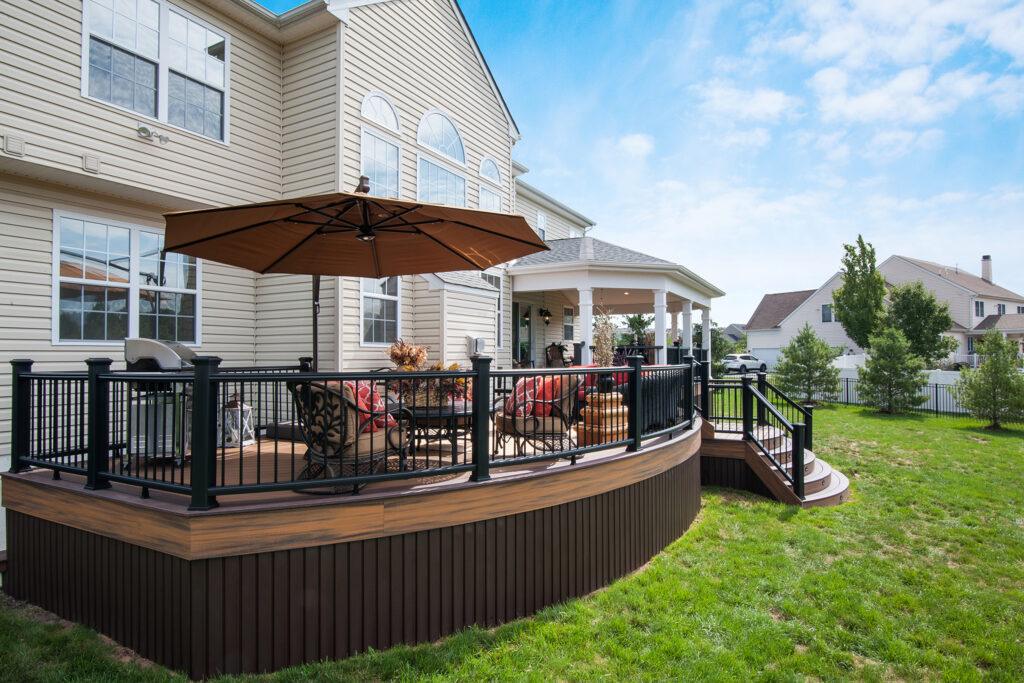
Most homeowners start planning a deck with one question: what will this cost? The honest answer is that deck installation costs in Pennsylvania vary widely. The board you walk on is only one piece of the price. Framing, footings, railings, stairs, permits and labor all play a part.
This guide breaks down what you can expect to pay for wood, composite and PVC decking. It explains what drives the price up or down, how to budget for your size, and how to choose a reliable deck builder. By the end, you will know how to read a quote and spot one that doesn’t add up.
What Goes Into the Cost of Installing a Deck
A deck quote is more than lumber times square footage. Contractors price the full structure, and the hidden parts often cost as much as the surface boards.
Materials
The decking material is the biggest variable. It covers the boards, fasteners and trim. The framing underneath is almost always pressure-treated lumber, even on composite and PVC decks, because it is strong and affordable.
Labor
Labor often makes up a large share of the total. Rates change by region, season and how busy local crews are. Builders in high-demand areas or during peak spring and summer months tend to charge more.
Structure and Site Conditions
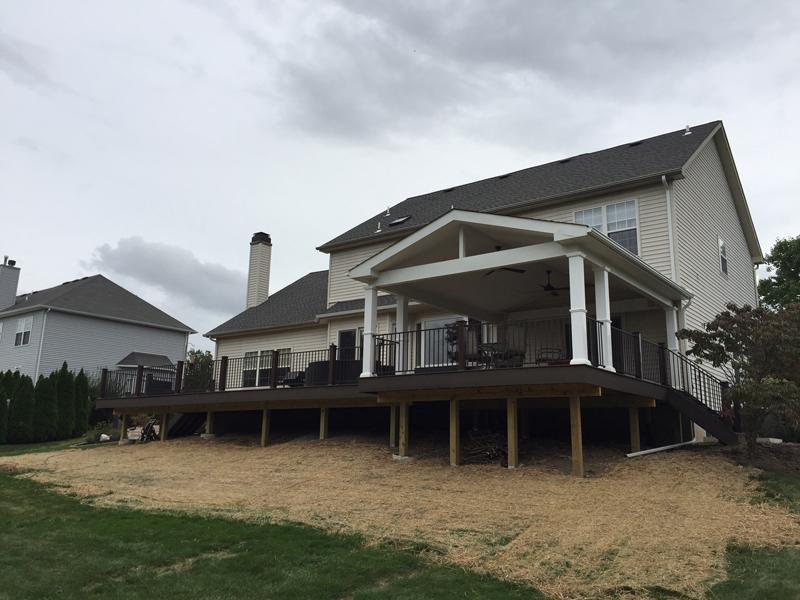
A ground-level deck on flat land is the simplest build. Elevated decks need taller posts, deeper footings, more bracing and safety railings. Sloped yards, rocky soil and tight access all add hours to the job.
Permits and Inspections
Most attached or raised decks need a building permit. In Pennsylvania, decks fall under the Pennsylvania Uniform Construction Code, and each municipality handles its own permits and fees. The International Code Council’s residential code sets many of the structural rules that inspectors check.
Deck Installation Cost Per Square Foot by Material
The ranges below are typical installed ballparks for a standard, low-to-moderate height deck. They include materials and labor. Your local price may land higher or lower.
| Material | Typical Installed Cost (per sq ft) | Expected Lifespan | Maintenance Level | Best For |
|---|---|---|---|---|
| Pressure-treated wood | About $25 to $45 | 10 to 20 years with care | High (sealing every 1 to 3 years) | Tight budgets, rental homes |
| Cedar or redwood | About $35 to $60 | 15 to 25 years with care | Medium to high | Natural look, mid-range budgets |
| Composite | About $40 to $80 | 25 years or more | Low (washing only) | Families, long-term homeowners |
| PVC (cellular) | About $50 to $100 | 25 years or more | Very low | Pool decks, humid or wet sites |
Ranges are general national estimates for planning only. Get written local quotes before budgeting.
Pressure-Treated Wood
Pressure-treated pine is the most affordable decking option. It is chemically treated to resist rot and insects. The trade-off is upkeep. Without regular sealing, boards can crack, warp and splinter over time.
Cedar and Redwood
These natural woods resist decay without chemical treatment and have a rich color. They cost more than treated pine and still need staining to keep their look. Availability and price can vary depending on where you live.
Composite Decking
Composite boards blend wood fibers and plastic. They don’t splinter, rarely fade badly, and never need staining. Composite usually costs more upfront but much less to own over time. Brands like Trex and TimberTech are common choices among builders.
PVC Decking
PVC boards are made entirely of plastic, with no wood fibers. They handle moisture better than any other option, which makes them a strong pick around pools and hot tubs. They also tend to be lighter and stay cooler than many older composite lines.
Pros vs. Cons: Wood vs. Composite and PVC
Wood Decking
Pros
- Lowest upfront cost
- Natural look and feel
- Easy to repair or replace boards
Cons
- Needs sealing or staining often
- Can splinter, warp, or rot
- Shorter lifespan without care
Composite and PVC Decking
Pros
- Very little maintenance
- Long lifespan and warranties
- No splinters or staining
- Repairs may need matching boards
Cons
- Higher installation cost
- Can get hot in direct sun
For a deeper dive into these differences, see our guide on comparing the long-term value of decking materials.
How to Estimate Your Deck Cost: Step by Step
Use this process to build a realistic budget before you call any contractor.
- Measure your deck area. Multiply length by width. A 12 by 16 foot deck is 192 square feet.
- Pick a material. Use the table above to set a low and high cost per square foot.
- Multiply for a base range. Multiply your square footage by both the low and high numbers.
- Add extras. Railings, stairs, lighting, built-in benches and pergolas are often priced separately.
- Factor in height and site work. Raised decks and sloped yards cost more than ground-level builds.
- Include permits. Call your township or borough office to ask about permit fees.
- Add a cushion. Set aside 10 to 15 percent for surprises like hidden rot or soil problems.
Real-World Scenario
A Bucks County homeowner wants a 16 by 20 foot deck off the back of the house, which is 320 square feet. The deck sits about four feet off the ground and needs one set of stairs.
Using pressure-treated wood at roughly $30 to $45 per square foot, the base estimate is around $9,600 to $14,400. Switching to composite at about $45 to $75 per square foot moves the range to roughly $14,400 to $24,000. Railings and stairs would add to both numbers.
The homeowner plans to stay in the home for 15 more years. Once they count the cost and time of resealing wood every couple of years, composite becomes the better long-term value. This scenario is illustrative only, and real quotes will vary.
Choosing the Right Material: Conditional Guidance
Your best material depends on your goals, not just your budget.
- If you need the lowest possible upfront cost, choose pressure-treated wood and plan a yearly maintenance routine.
- If you plan to stay in your home for many years, choose composite. The lower upkeep often outweighs the higher install price.
- If your deck surrounds a pool or sits in a damp, shaded area, choose PVC for its moisture resistance.
- If you are preparing to sell soon, focus on a clean, solid build. The latest Cost vs. Value Report suggests deck additions often recover a meaningful portion of their cost at resale.
How to Hire the Right Deck Builder
A great material on a poor build is still a poor deck. The contractor you hire matters as much as the material you choose.
When searching for deck builders near me, start with local reviews and portfolios. Homeowners looking for the best deck builders in Pennsylvania should also confirm that the contractor is registered with the PA Home Improvement Consumer Protection Act.
Do / Don’t When Hiring a Deck Contractor
| Do | Don’t |
|---|---|
| Compare multiple itemized quotes | Accept a single lump-sum price with no breakdown |
| Read verified client testimonials on Google and the Better Business Bureau | Rely only on testimonials from the builder’s own site |
| Confirm insurance and state registration | Hire anyone who asks for full payment upfront |
| Ask who pulls the permit | Skip permits to save money |
| Request photos of past decks like yours | Choose based on the lowest bid alone |
Top rated deck builders PA homeowners recommend tend to share a few traits. They explain their pricing clearly, put everything in writing, and stand behind their work with a warranty. The North American Deck and Railing Association (NADRA) also offers guidance on deck safety and builder standards.
To ensure you are hiring a legitimate professional, learn how to verify their state registration.
Quick Answers:
What is the average deck installation cost per square foot?
A: Most decks fall roughly between $25 and $100 per square foot installed, depending on material, height and design. Wood sits at the lower end, while composite and PVC sit higher.
Is composite decking worth the extra cost?
A: For many homeowners, yes. Composite costs more upfront but requires far less maintenance, which can make it cheaper over the life of the deck.
What is the cheapest deck material to install?
A: Pressure-treated wood is usually the cheapest option. It does need regular sealing to last.
Do I need a permit to build a deck in Pennsylvania?
A: Most attached or raised decks need a permit under the Pennsylvania Uniform Construction Code. Check with your local township or borough for exact rules.
How long does deck installation take?
A: A simple deck may take a few days to a week. Larger or more complex builds can take several weeks, especially with permit wait times.
Does deck height affect the price?
A: Yes. Raised decks need taller posts, deeper footings, more bracing and code-required railings, which all add cost.
How do I find a reliable deck builder?
A: Compare local reviews, verify insurance and state registration, and ask for itemized quotes. Viewing completed projects similar to yours helps too.
Do railings cost extra?
A: Usually, yes. Railings are often priced per linear foot and can add a significant amount, especially with composite, aluminum or glass styles.
Glossary of Terms
- Footing: A concrete base buried in the ground that supports the deck’s posts and keeps the structure stable.
- Joist: A horizontal framing board that runs beneath the decking and holds up the surface boards.
- Ledger board: The board that attaches a deck to the house. Proper flashing here is critical to prevent water damage.
- Capped composite: A composite board wrapped in a protective plastic shell that resists stains, fading and moisture.

Conclusion
Knowing the deck installation cost per square foot gives you a solid starting point. The real price comes from the full picture: material, height, design, railings, permits and the builder’s skill. Wood saves money today. Composite and PVC save time and maintenance for years to come.
The smartest move is to set a clear budget, pick the material that fits how long you will stay, and compare itemized quotes from trusted local pros. Ready to plan your deck? Request your free, no-obligation estimate from a licensed local deck builder today and get a price built around your yard, not a guess.