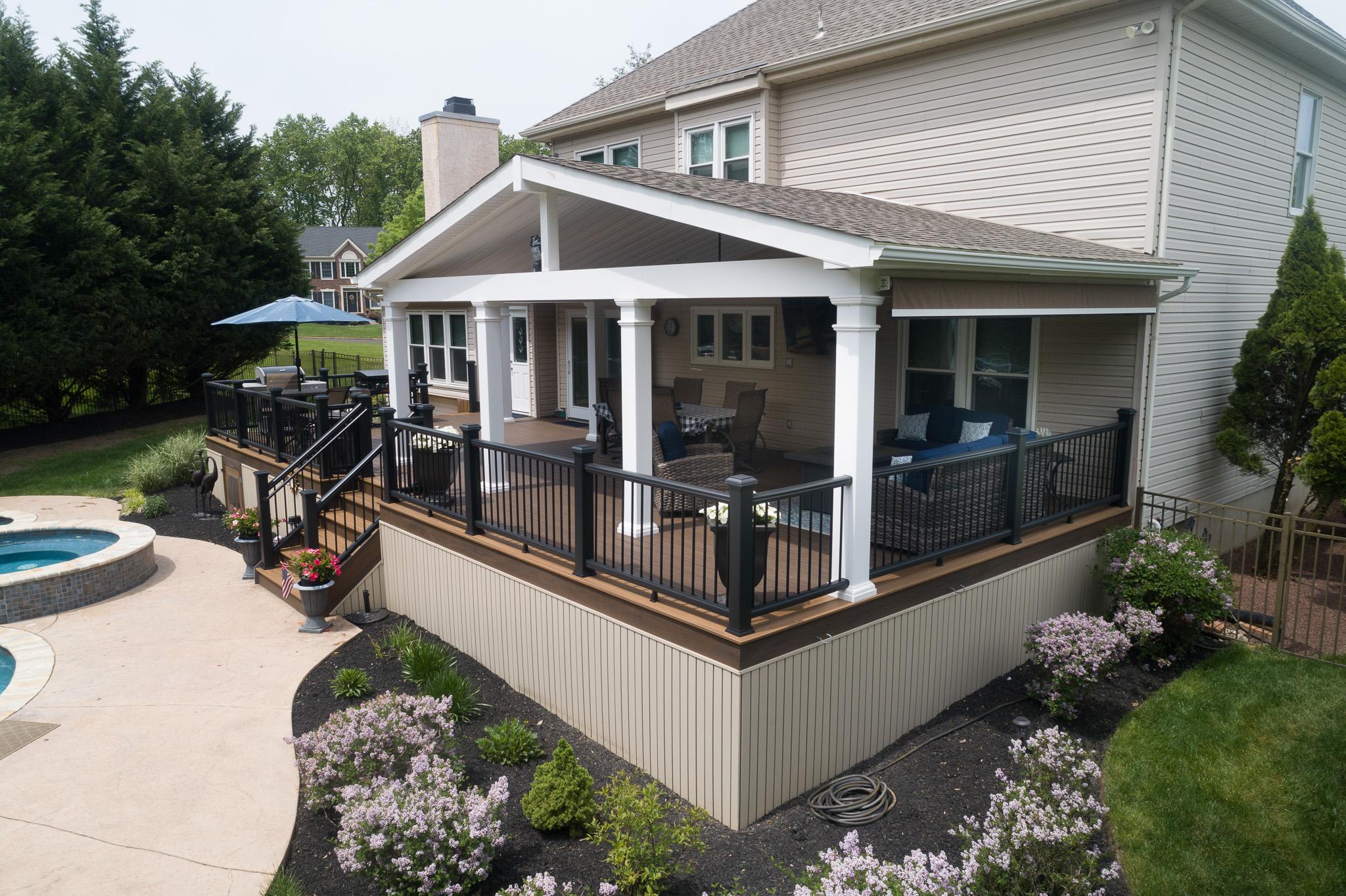
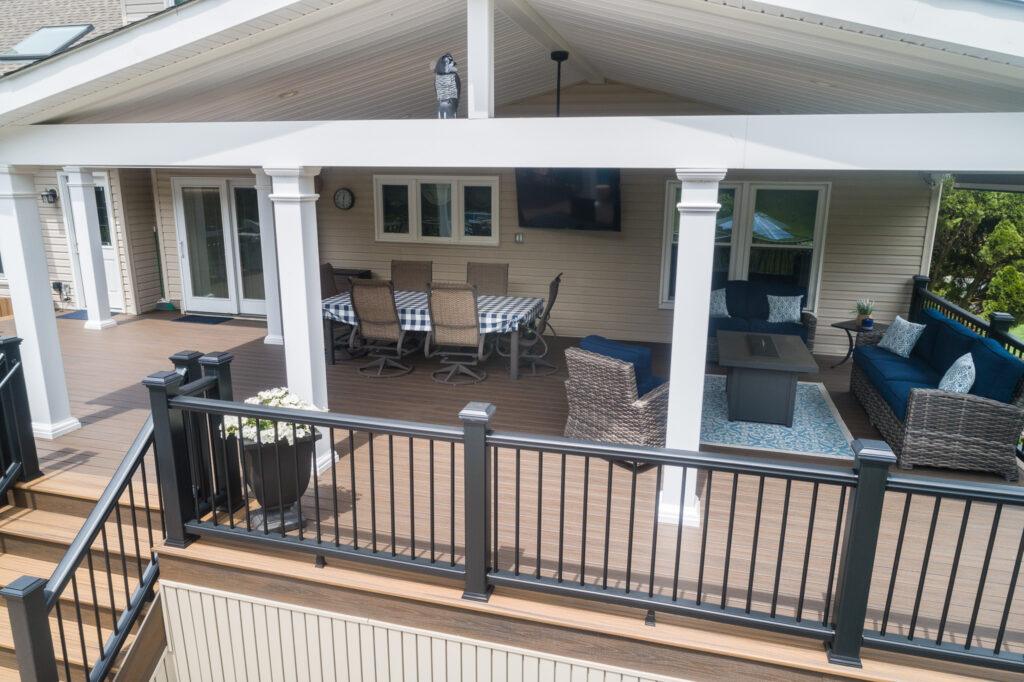
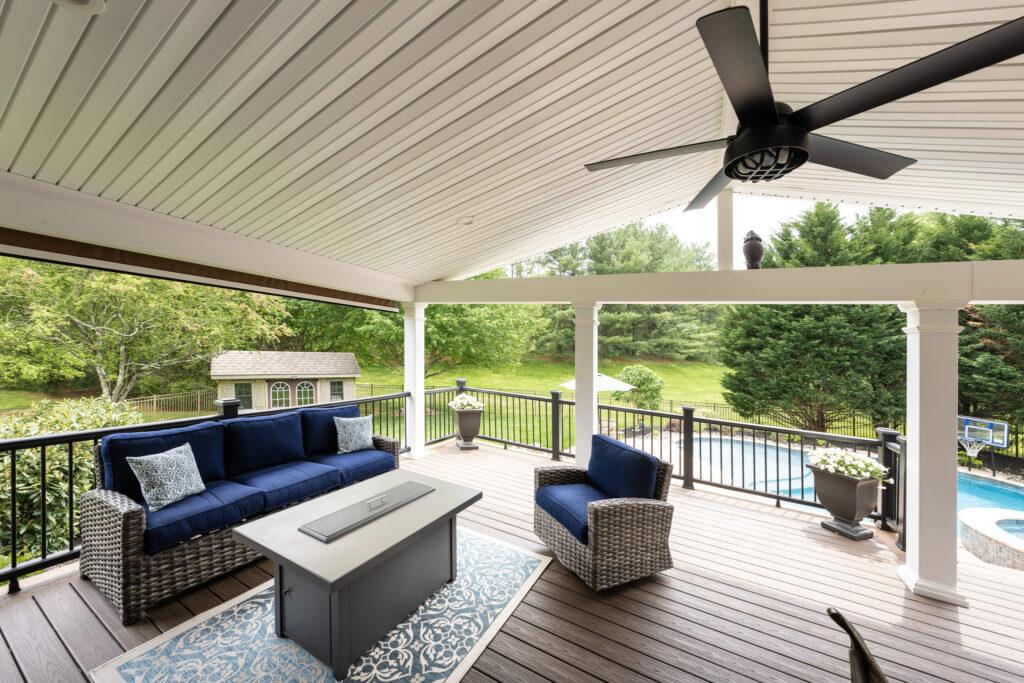
Residential Deck Contractors: How to Get Accurate Quotes
Adding a deck to your home is one of the most rewarding outdoor investments you can make. A well-built deck increases usable living space, boosts curb appeal, and — according to annual Cost vs. Value Report data — consistently ranks among the top home improvements for return on investment. But the process of hiring residential deck contractors can feel overwhelming, especially when quotes arrive with wildly different numbers and confusing line items.
This guide gives you a clear, practical framework for requesting and comparing quotes, understanding what drives costs, and choosing local deck building services that deliver quality work at a fair price. Whether you’re searching for deck builders near me or vetting professional deck installers in Pennsylvania, the principles here apply across the board.
Key Takeaways
Residential deck contractors vary widely in pricing, licensing, and material expertise.
Always collect at least three written quotes before signing any contract.
Verify that your deck builder carries liability insurance and workers’ compensation.
Scope creep is a leading cause of budget overruns — nail down every detail in writing upfront.
The best deck builders in Pennsylvania and other states are often found through referrals and verified reviews.
Step-by-Step: How to Request Accurate Quotes from Deck Contractors
Step 1 — Define Your Project Scope Before You Call Anyone
The single biggest mistake homeowners make is contacting deck construction companies near me before they have a clear vision. Contractors quote what they’re given. If your scope is vague, your quotes will be vague.
Write down the approximate deck size (in square feet), preferred materials, railing style, any built-in features like benches or pergolas, and your desired timeline. Even rough answers give contractors enough to produce a meaningful estimate.
Step 2 — Collect a Minimum of Three Written Quotes
Verbal estimates are not binding and often don’t reflect final costs. Request itemized written quotes from at least three residential deck contractors. Each quote should break down labor, materials, permits, and any subcontractor fees separately.
Step 3 — Verify Licensing and Insurance Before Moving Forward
In most U.S. states, deck contractors are required to hold a valid contractor’s license and carry general liability insurance plus workers’ compensation. Ask each contractor to provide proof before you invest time comparing their bids. You can even verify our commitment to insurance and safety to see what a robust coverage plan looks like. The National Association of the Remodeling Industry (NARI) and the North American Deck and Railing Association (NADRA) standards both offer contractor directories with verified members.
Step 4 — Ask About Permits and Inspections
A legitimate deck builder will pull the necessary building permits — it is not your job to do this. Permits ensure the structure is inspected for code compliance, which protects you legally and financially if you ever sell the home. If a contractor suggests skipping permits to “save money,” treat it as a serious red flag.
Step 5 — Check Deck Builder Reviews Near Me and References
Online reviews on platforms such as Google Business Profile and the Better Business Bureau offer real-world feedback. More importantly, ask each contractor for two or three references from completed deck projects in the past 12 months. A quick phone call to a past client tells you more than any website ever will; you can also read testimonials from our completed projects to understand what a strong reference track record looks like.
Step 6 — Compare Quotes Apples-to-Apples
Once you have multiple quotes, build a simple comparison. Identical deck dimensions can produce very different numbers if one contractor is pricing composite decking and another is pricing pressure-treated pine. Make sure every quote covers the same materials, dimensions, and finish details before drawing conclusions.
Step 7 — Negotiate Scope, Not Just Price
If a quote comes in over budget, don’t simply ask for a lower price. Instead, discuss adjustments: a smaller footprint, a simpler railing design, or phasing the project over two seasons. Skilled residential deck contractors will work with you on scope before they discount their labor rates.
What Drives Deck Construction Costs? A Practical Breakdown
Understanding cost drivers helps you evaluate whether a quote is reasonable or inflated.
Material Type is often the largest variable; see our breakdown of Trex decking costs for real-world examples. Pressure-treated lumber is the most affordable option, while composite and hardwood decking materials carry a premium. Composite products, however, typically require less maintenance over their lifespan, which can offset the upfront cost difference.
Deck Size and Complexity directly affect labor hours. A simple rectangular deck is faster to frame and deck than a multi-level structure with angles, cutouts, or built-in features.
Site Conditions matter more than most homeowners expect. Sloped lots, poor soil, difficult access, or existing structures that need to be removed all add to the project cost.
Local Labor Markets play a role as well. Rates for professional deck installers in Pennsylvania, for example, may differ from those in the Southeast or Pacific Northwest based on local demand, cost of living, and prevailing wage norms.
Permits and Inspections are non-negotiable costs that vary by municipality. Some counties charge a flat fee; others charge based on project value. Budget for these regardless.
Note: Costs are general estimates based on industry reporting from sources including the National Association of Home Builders (NAHB). Actual costs vary by region, project complexity, and current material prices.
Pros and Cons of Hiring Local Deck Building Services vs. Large National Contractors
Local Deck Building Services
Pros:
Familiarity with local building codes and permit processes
Easier communication and accountability
Stronger community reputation at stake
Often more flexible on project timelines
Cons:
May have limited crew size, extending the project timeline
Portfolio may be smaller or harder to verify
Varies widely in quality without industry certification
Large or National Deck Contractors
Pros:
Standardized processes and warranties
Larger crews may complete work faster
Established brand offers some consumer protection
Cons:
Less flexibility in design customization
Communication may go through layers of management
Local code knowledge may be less specific
Pricing can be higher due to franchise overhead
Do’s and Don’ts When Hiring Residential Deck Contractors
Do:
Do get everything in writing — scope, materials, timeline, payment schedule, and warranty terms.
Do ask specifically what the warranty covers (workmanship vs. materials vs. both).
Do confirm that the contractor will handle all permits and inspections.
Do look up the contractor’s license on your state’s contractor licensing board.
Do pay using a check or credit card — avoid large cash payments.
Do schedule a final walkthrough before making the last payment.
Don’t:
Don’t choose a contractor based solely on the lowest quote.
Don’t pay more than 10–30% upfront as a deposit before work begins.
Don’t allow work to start without a signed contract.
Don’t skip permit verification — unpermitted decks can cause serious problems at resale.
Don’t assume all quotes include the same scope — always read the line items.
Conditional Scenarios: Which Contractor Type Is Right for You?
If you need a straightforward rectangular deck on flat ground with a tight budget, a well-reviewed local carpenter or small deck construction company near you will likely provide the best combination of price and personalized service. Check deck builder reviews near me to narrow your list quickly.
If you want a complex multi-level deck with custom pergola, built-in seating, and integrated lighting, look specifically for residential deck contractors who specialize in design-build services and can show you a portfolio of comparable completed projects. Companies with NADRA certification are a reliable indicator of specialization. For inspiration, explore our guide on strategies for integrating lighting into your deck design.
If you’re in Pennsylvania specifically, the Pennsylvania Attorney General’s Office requires home improvement contractors to register with the state. Verifying registration is a free, simple step that weeds out unqualified operators before you invest time in the quote process. You can check the Pennsylvania’s official Home Improvement Consumer Protection registry directly.
Hypothetical Case Study: The Hendersons’ Deck Project
Note: The following is a hypothetical scenario constructed to illustrate common real-world patterns.
Mark and Sarah Henderson wanted a 400-square-foot composite deck attached to the rear of their home in suburban Chester County, Pennsylvania. They contacted five local deck building services and received quotes ranging from $14,000 to $28,000 for what appeared to be similar projects.
After reviewing the line items, they discovered three important differences: the lowest quote used pressure-treated lumber instead of composite, did not include permits, and carried no workmanship warranty. The highest quote came from a nationally franchised contractor whose overhead was embedded in the price.
They ultimately chose a mid-range quote at $19,500 from an award-winning NADRA-certified team with strong Google reviews and two verifiable client references in the same county. The project was completed on schedule, passed two municipal inspections, and came with a five-year workmanship warranty.
The lesson: the right quote is rarely the lowest or the highest — it’s the most complete.
Quick Answers – FAQ
Q: How much does it cost to build a residential deck? A: Costs vary widely depending on size, material, and location. Industry data suggests most homeowners spend between $15,000 and $35,000 for a mid-sized deck, though simple pressure-treated builds can come in lower and premium composite decks can run higher.
Q: How do I find reputable deck builders near me? A: Start with referrals from neighbors or friends, then check Google reviews, the Better Business Bureau, and NADRA’s contractor directory. Always verify licensing with your state’s contractor licensing board.
Q: What questions should I ask residential deck contractors before hiring? A: Ask about licensing, insurance, permit handling, warranty terms, subcontractor use, payment schedule, and timeline. Request references from recent projects specifically in your area.
Q: Do I need a permit for a deck? A: In most U.S. jurisdictions, yes — especially for decks attached to the home or elevated above ground level. Your contractor should handle the permit process as part of the project scope.
Q: What is a fair deposit amount for deck construction? A: A deposit of 10–30% of the total project cost is standard. Be cautious of contractors who demand 50% or more upfront before any materials have been ordered or work has begun.
Q: How long does deck construction typically take? A: A standard residential deck takes anywhere from three days to three weeks depending on size, complexity, weather, and crew size. Permitting can add several weeks before construction even starts.
Q: What is the difference between composite and pressure-treated decking? A: Pressure-treated wood is less expensive upfront but requires regular staining and maintenance. Composite decking costs more initially but resists moisture, fading, and insects with minimal upkeep — often making it more cost-effective over a 20+ year period. For a deeper dive, consider exploring the differences between composite and wood decking.
Q: How do I verify a contractor’s license in Pennsylvania? A: Pennsylvania’s Attorney General’s Office maintains an online Home Improvement Contractor Registration database that’s publicly searchable at no cost.
Q: What should a deck construction contract include? A: A complete contract should specify the scope of work, materials with brands and specifications, start and completion dates, payment schedule, warranty details, change order procedures, and what happens if work does not meet code.
Q: Are the best deck builders in Pennsylvania certified? A: Many top residential deck contractors hold certification through NADRA or membership in NARI, which both require demonstrated expertise and professional standards. These designations are a useful (though not exclusive) indicator of quality.
Glossary of Terms
Scope of Work: A written description of everything a contractor agrees to do, including materials, dimensions, and specific tasks. A detailed scope of work is the foundation of any accurate quote.
Change Order: A formal written amendment to an existing contract that documents any agreed-upon changes to scope, materials, or price after the original contract is signed. Always insist on signed change orders before additional work begins.
Workmanship Warranty: A contractor’s guarantee that the labor and installation will meet a defined quality standard for a specified period. This is distinct from a manufacturer’s warranty on the materials themselves.
Permit: An official approval issued by a local government authority confirming that proposed construction meets applicable building codes. For decks, permits typically require one or more inspections during and after construction.
Conclusion
Hiring the right deck contractor is less about luck and more about preparation. When you enter the process knowing your scope, understanding what drives costs, and asking the right questions, you position yourself to make a genuinely informed decision — not just the fastest or cheapest one.
The best deck builders, whether in Pennsylvania or anywhere else in the country, share a few common traits: they are licensed, insured, communicative, and willing to put every detail in writing. They pull permits without being asked, welcome inspections, and stand behind their work with real warranty coverage.
Start your search by tapping your local network for referrals, then verify credentials through NADRA, NARI, or your state’s contractor registry. Collect at least three detailed written quotes, compare them line by line, and choose the contractor who demonstrates the clearest combination of competence, transparency, and reasonable pricing.
Your deck is a long-term investment. The contractor you choose will determine whether it becomes a lasting source of enjoyment or a costly headache. Take the time to hire right.
Ready to start? Request written quotes from three licensed residential deck contractors in your area this week — and use this guide as your checklist every step of the way.