Key Takeaways
- Lehigh Valley deck builders must carry a Pennsylvania Home Improvement Contractor (HIC) registration.
- Always get at least three written bids before committing to a deck construction company near you.
- Permits are typically required for attached decks — skipping them can affect your homeowner’s insurance.
- Pressure-treated lumber, composite decking, and hardwood each have distinct cost and maintenance tradeoffs.
- Common red flags when hiring deck builders include contractors who demand full payment upfront or refuse to provide references.
- A well-built deck in the Lehigh Valley can add meaningful resale value to your home.
Why Hiring the Right Deck Builder in the Lehigh Valley Matters :
Adding a deck is one of the most popular home improvement projects in Pennsylvania — and for good reason. A well-constructed outdoor space extends your living area, improves curb appeal, and holds up through harsh northeastern winters. But the quality of your finished deck depends almost entirely on who you hire to build it.
Lehigh Valley deck builders range widely in quality, experience, and pricing. Some are seasoned residential deck contractors with decades of local work; others are handymen listing themselves as deck specialists. Knowing how to tell the difference protects your investment and your family’s safety.
This guide covers everything from setting your budget and pulling permits to evaluating bids and spotting contractors you should walk away from. Whether you’re searching “deck builders near me” for the first time or you’ve already gotten a few quotes, what follows will help you make a smarter, more confident decision.
What to Know Before You Start: Permits, Regulations, and HOAs :
Pennsylvania Building Permits and the Lehigh Valley
In most Lehigh Valley municipalities — including Allentown, Bethlehem, and Easton — a building permit is required for any attached deck or any freestanding structure above a certain height or square footage. The exact thresholds vary by township, so check with your local code enforcement office before work begins.
Skipping a permit isn’t just illegal. It can also void portions of your homeowner’s insurance coverage, as detailed in resources about how home renovations impact your insurance policy, complicate a future home sale, and require you to tear down or significantly modify unpermitted work at your own expense. Reputable professional deck installers in Pennsylvania will pull permits on your behalf — it’s a standard part of their service.
HOA Rules
If your property is governed by a homeowners association, you’ll likely need written approval before construction starts. Most HOAs have guidelines around deck materials, colors, setback distances from property lines, and maximum deck size. Get this approval in writing before signing a contract with any deck builder.
How to Find and Vet Lehigh Valley Deck Builders :
Step-by-Step Hiring Process
Step 1: Define your project scope.
Know the approximate size, preferred materials, and any add-ons (built-in benches, pergola, railing style) before you call anyone. This gives contractors enough detail to provide meaningful quotes.
Step 2: Build a short list.
Search for local deck building services using “deck builders near me” and “deck construction companies near me.” Ask neighbors, friends, and your local hardware store for referrals. Aim for five to seven candidates to start.
Step 3: Check Pennsylvania HIC registration.
Under the Pennsylvania Home Improvement Consumer Protection Act, any contractor performing residential improvements over $500 must be registered as a Home Improvement Contractor (HIC). You can verify registration through the official PA Home Improvement Contractor database at the Pennsylvania Attorney General’s office. This is a non-negotiable baseline.
Step 4: Verify insurance.
Ask for a Certificate of Insurance showing general liability coverage and workers’ compensation. Call the insurer directly to confirm the policy is active. If a worker is injured on your property and the contractor lacks coverage, you could face a lawsuit.
Step 5: Read reviews carefully.
Learn how to spot genuine deck builder reviews on Google, the Better Business Bureau, and Houzz. Pay less attention to star ratings and more attention to the content of reviews — specifically comments about timeline, communication, and how problems were handled.
Step 6: Request and check references.
Any established residential deck contractor should be able to provide three or more references from comparable projects. Call them. Ask specifically: Did the project finish on time? Did the final cost match the estimate? Would you hire them again?
Step 7: Get at least three written bids.
Bids should break down materials, labor, permit fees, and timeline separately. A bid that lumps everything together in a single number is difficult to compare and a sign of an inexperienced or evasive contractor.
Step 8: Review the contract line by line.
A proper contract includes the scope of work, material specifications, payment schedule, start and completion dates, a change-order process, and what a solid deck builder warranty should cover. Never rely on verbal agreements.
Step 9: Confirm the payment schedule.
A reasonable structure is typically 10–30% upfront, additional draws tied to project milestones, and a final payment upon satisfactory completion. Any contractor demanding 50% or more upfront should raise concern.
Step 10: Get the permit number before work begins.
Ask the contractor for the permit number once it’s issued. If they can’t provide one after a reasonable period, call your township yourself to verify.
Comparing Deck Materials: What Lehigh Valley Homeowners Should Know :
The material you choose affects upfront cost, long-term maintenance, lifespan, and how the deck performs through Pennsylvania’s freeze-thaw cycles.
| Material | Average Lifespan | Maintenance Level | Relative Cost | Best For |
|---|---|---|---|---|
| Pressure-Treated Lumber | 15–25 years | Moderate (staining/sealing) | $ | Budget-conscious builds |
| Cedar or Redwood | 20–30 years | Moderate | $$ | Natural aesthetics |
| Composite Decking | 25–30+ years | Low (occasional cleaning) | –$ | Low-maintenance priority |
| PVC / Vinyl Decking | 30+ years | Very low | $$$ | Maximum durability |
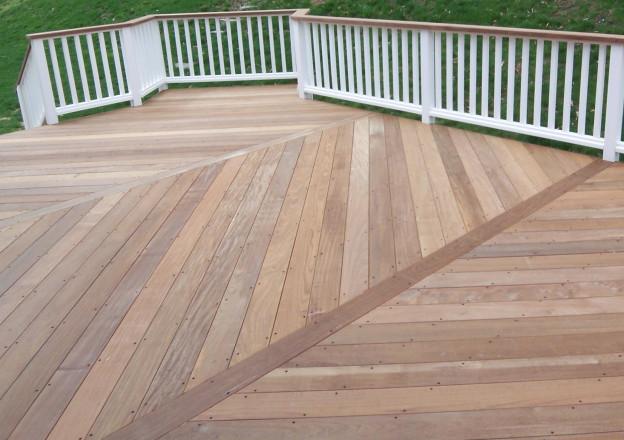
| Ipe or Tropical Hardwood | 40+ years | Low–Moderate | $$$$ | Luxury, high-end builds |
Industry experts from organizations like the North American Deck and Railing Association (NADRA) consistently note that composite and PVC materials have gained significant market share in recent years, largely because homeowners weigh total cost of ownership — not just initial price — when making decisions.
If you plan to sell your home within five years, a composite deck often makes more financial sense because it looks newer longer and requires no staining before listing. If you’re building for personal enjoyment and have a tight budget, quality pressure-treated lumber properly maintained is a proven, durable choice.
Deck Builder Pricing in the Lehigh Valley: What to Expect :
Typical deck installation costs in Pennsylvania vary significantly based on size, materials, design complexity, and site conditions. The following ranges are general estimates for residential projects in the Lehigh Valley region. Always get local bids for accurate numbers.
- Small ground-level deck (under 200 sq ft): Entry-level to mid-range investment, typically covering a basic pressure-treated build with standard railing.
- Mid-size deck (200–400 sq ft): Wider range depending on composite vs. wood, second-story access, or built-in features.
- Large or multi-level deck (400+ sq ft): Significant project requiring detailed permits, engineered footings, and professional oversight.
Many professional deck installers in Pennsylvania price by the square foot, though complex projects with custom features are often quoted as full project bids. When comparing quotes, make sure you’re comparing the same scope and materials — a lower bid using thinner lumber or no concrete footings isn’t actually a better deal.
Pros and Cons of Hiring a Specialized Deck Builder vs. a General Contractor :
Specialized Deck Builder
Pros:
- Deep expertise in deck-specific structural requirements
- Familiar with local building codes for decks specifically
- Often faster project timelines due to focused workflows
- Better sourcing relationships for decking materials
Cons:
- May not handle associated work (electrical for outdoor lighting, landscaping) in-house
- Smaller firms may have limited crew availability during peak season
General Contractor
Pros:
- Can manage the full scope of an outdoor renovation project
- Better suited for projects that combine a deck with other structures
- May offer more scheduling flexibility
Cons:
- Deck may be subcontracted to a crew you haven’t vetted
- Less specialized knowledge of deck engineering details
- Potentially higher overhead costs
Do’s and Don’ts When Hiring Deck Contractors
DO:
- Verify Pennsylvania HIC registration before any other step
- Ask to see a completed project in person, not just photos
- Confirm the contractor will pull permits — not you
- Get all material specifications in writing (brand, grade, dimensions)
- Maintain a contingency budget of 10–15% for unexpected costs
DON’T:
- Hire based on the lowest bid alone
- Pay more than 30% upfront under any circumstances
- Allow work to begin without a signed contract
- Assume the contractor is insured — verify it yourself
- Skip the final walkthrough before making your last payment
The Andersons of Bethlehem, PA :
A homeowner in Bethlehem received three bids for a 300-square-foot composite deck: $14,200, $17,800, and $22,400. The lowest bidder couldn’t provide proof of workers’ compensation insurance and offered a vague single-line contract. The middle bidder had solid Google reviews, provided a detailed scope breakdown, verified HIC registration, and included a five-year workmanship warranty. The homeowner chose the middle bid.
During construction, one section of the framing required an unexpected footing adjustment due to a buried utility line. Because the contract included a clear change-order clause, the additional $450 cost was documented and agreed upon before work continued — no disputes, no surprises.
The project completed two days behind the estimated timeline but within budget. The homeowner later noted that the detailed contract and upfront vetting process gave them confidence throughout the project, even when a minor issue arose.
Quick Answers: Frequently Asked Questions
Q: Do Lehigh Valley deck builders need to be licensed?
A: Pennsylvania does not issue a state-level contractor’s license, but all home improvement contractors must register with the Pennsylvania Attorney General’s office under the Home Improvement Consumer Protection Act. Always verify HIC registration before hiring.
Q: How long does it take to build a deck in the Lehigh Valley?
A: Most residential decks take one to three weeks once construction begins. Permit approval timelines vary by municipality and can add one to four weeks to the overall schedule.
Q: What’s the best time of year to hire a deck builder in Pennsylvania?
A: Late winter and early spring often offer better contractor availability and sometimes better pricing, since demand picks up significantly in late spring through summer. Planning ahead gives you more options.
Q: Do I need a permit for a small deck?
A: In most Lehigh Valley municipalities, yes — especially for attached decks. Requirements vary, so check with your local township office. Your contractor should advise you, but verify independently.
Q: What should a deck building contract include?
A: At minimum: detailed scope of work, material specifications, start and end dates, payment schedule tied to milestones, change-order process, warranty terms, and proof of insurance.
Q: How do I check if a deck builder has complaints against them?
A: Check the Better Business Bureau, the Pennsylvania Attorney General’s contractor database, and Google reviews. You can also ask the contractor directly — how they respond tells you a lot.
Q: What’s the difference between composite and pressure-treated decking?
A: Pressure-treated lumber is wood chemically treated to resist rot and insects. Composite decking is made from a blend of wood fiber and plastic. Composite generally costs more upfront but requires significantly less maintenance over time.
Q: Can a deck affect my homeowner’s insurance?
A: Yes. An unpermitted deck may affect coverage. Notify your insurance provider once a permitted deck is completed, as it adds to your home’s replacement value and may affect your premium.
Q: How many bids should I get for a deck project?
A: A minimum of three bids is strongly recommended. This gives you a realistic price range and helps you identify outliers on both ends.
Q: What questions should I ask a deck builder before hiring?
A: Key questions: Are you registered as a Pennsylvania HIC? Who pulls the permit? Can I see a completed project? What does your warranty cover? Who will actually be on-site doing the work?
Glossary of Key Terms
Home Improvement Contractor (HIC) Registration: A state-level registration required in Pennsylvania for any contractor performing residential home improvements valued over $500. Managed by the Pennsylvania Attorney General’s office, it provides homeowners basic legal protections.
Composite Decking: A decking material manufactured from a combination of recycled wood fiber and plastic polymers. Known for resistance to rot, insects, and fading, composite decking requires minimal maintenance compared to natural wood.
Footings: Concrete structures poured below the frost line to support deck posts. In Pennsylvania’s climate, proper footings are critical to prevent frost heave from lifting or shifting the deck structure over time.
Change Order: A written amendment to a construction contract documenting any modification to the original scope of work, timeline, or cost. A signed change order protects both the homeowner and contractor if unexpected conditions arise during construction.
Conclusion: Build It Right the First Time
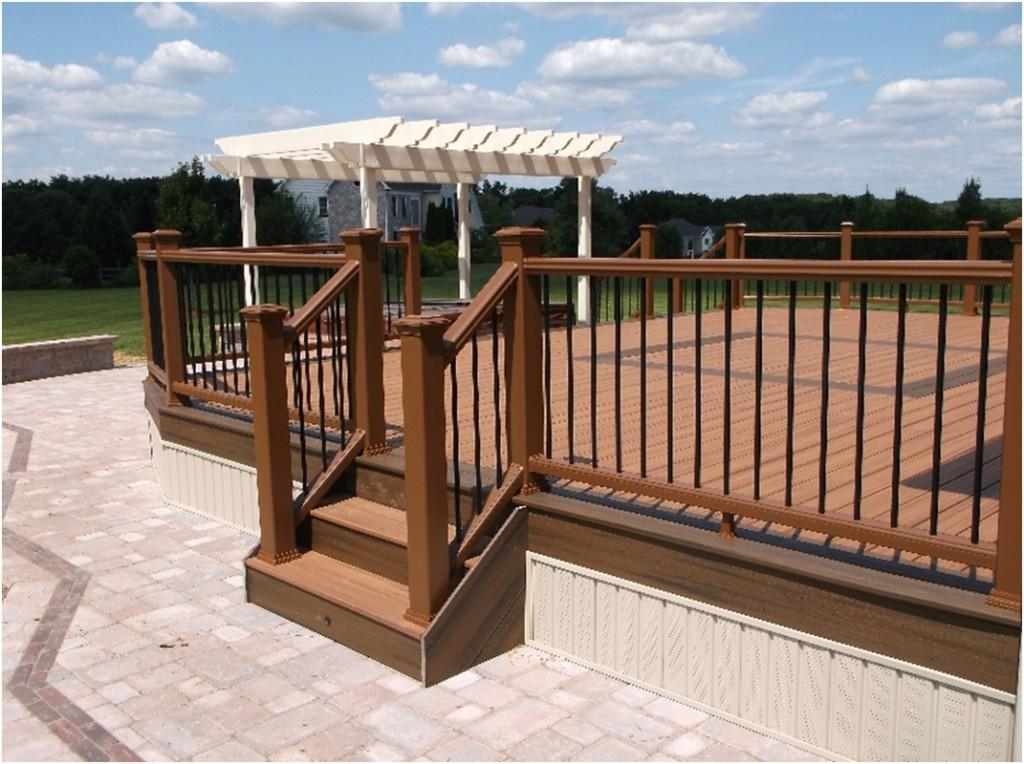
Choosing among Lehigh Valley deck builders isn’t just about finding the lowest price — it’s about finding a contractor with the right credentials, a clear process, and a track record you can verify. A deck is a structural addition to your home. It needs to meet local code, withstand Pennsylvania winters, and be built by someone who will still be around if something needs to be addressed under warranty.
The homeowners who end up happiest with their decks are the ones who slow down the hiring process. They verify HIC registration. They read the contract. They call references. They don’t skip the permit.
Ready to start your project? Use the steps in this guide to build your short list, ask the right questions, and compare bids with confidence. Your ideal deck — and the contractor to build it — are out there. Now you know exactly how to find them.