Key Takeaways
- Deck installation cost in Pennsylvania ranges from $15 to $35+ per square foot depending on material and complexity.
- Professional deck installers bring permits, code knowledge, and liability protection that DIY cannot match.
- DIY may save 30–50% on labor, but hidden costs like tool rental, wasted material, and mistakes often narrow the gap.
- Best deck builders in Pennsylvania are licensed, insured, and offer warranties on both materials and workmanship.
- Local deck building services understand Pennsylvania’s climate challenges, including freeze-thaw cycles that affect footings.
- Always verify contractor credentials through the Pennsylvania Attorney General’s Home Improvement Consumer Protection Act registry.
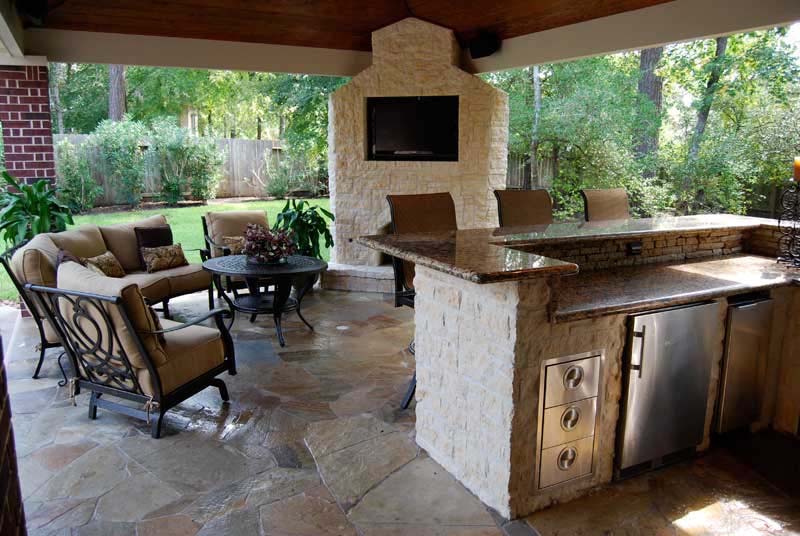
Why This Decision Matters More Than You Think
A deck is one of the highest-return outdoor improvements a Pennsylvania homeowner can make. According to Remodeling Magazine’s annual Cost vs. Value Report, a wood deck addition recoups a significant portion of its cost at resale. But that value only holds if the deck is built correctly. When you start reviewing a breakdown of deck installation costs across professional bids and DIY estimates, the numbers can look deceptively straightforward. They rarely are.
This guide walks you through everything you need to know: real cost breakdowns, the honest pros and cons of each path, a step-by-step look at how professional deck builders work, and the exact situations where DIY makes sense — and where it doesn’t. Whether you’re searching for local deck builders near me or sharpening your pencil for a weekend project, read this before you commit.
Understanding Deck Installation Cost in Pennsylvania
Pennsylvania’s geography and climate create unique considerations for any outdoor structure. From the lake-effect winters in Erie to the humid summers in Philadelphia, materials and footings must be chosen carefully. Here’s how costs typically break down across the state.
Average Cost Ranges by Material
| Deck Material | DIY Cost (per sq ft) | Professional Install (per sq ft) | Lifespan |
|---|---|---|---|
| Pressure-Treated Wood | $8–$12 | $15–$22 | 15–25 years |
| Cedar / Redwood | $12–$18 | $22–$30 | 20–30 years |
| Composite (e.g., Trex) | $15–$22 | $28–$38 | 25–35 years |
| PVC / Vinyl | $18–$25 | $30–$45 | 30–50 years |
| Hardwood (Ipe, Tigerwood) | $20–$30 | $35–$55 | 25–40 years |
Note: Costs do not include permit fees, which in Pennsylvania typically range from $100 to $500 depending on the municipality, or demolition of an existing deck.
Hidden Costs DIYers Often Miss
- Tool rentals and purchases (post-hole diggers, circular saws, levels)
- Concrete for footings and post anchors
- Permit application fees and required inspections
- Disposal of waste materials
- Structural corrections if initial work fails inspection
- Time off work for multi-weekend projects
Professional Deck Installers vs DIY: A Detailed Comparison
Before calling deck construction companies near me or heading to the hardware store, understand what each path actually involves.
Pros and Cons of Hiring Professional Deck Installers
| Pros | Cons |
|---|---|
| Licensed and insured — your liability is protected if someone is injured on the job | Higher upfront cost compared to doing it yourself |
| Familiar with Pennsylvania building codes and local permit requirements | Requires vetting — not all residential deck contractors are equally skilled |
| Access to trade-pricing on materials, partially offsetting labor costs | Scheduling delays, especially during peak spring and summer seasons |
| Faster completion, typically 1–2 weeks for a standard deck | Less personal creative control over the build process |
| Warranty on both labor and materials in most cases | |
| Structural engineering expertise, especially for elevated or complex decks |
Pros and Cons of DIY Deck Building
| Pros | Cons |
|---|---|
| Potential savings of 30–50% on labor costs | Permitting, inspections, and code compliance are your full responsibility |
| Full creative control and personal satisfaction | Structural mistakes can be costly — or dangerous — to fix |
| Flexible timeline — work at your own pace | Most homeowner’s insurance policies do not cover self-built structures that fail inspection |
| Builds practical construction skills | Pennsylvania’s frost line (typically 36–42 inches depending on region) requires precise footing depth |
| Material waste is common for first-time builders, eroding savings |
Do’s and Don’ts When Planning Your Pennsylvania Deck
| DO: | DON’T: |
|---|---|
| Pull a building permit before breaking ground. Unpermitted decks can cause major issues at resale. | Pay more than 10–15% upfront to any contractor before work begins. |
| Verify your contractor’s HIC registration through the state database before signing any agreement. | Hire unlicensed contractors to save money — Pennsylvania law provides protections only for registered HICs. |
| Get at least three written quotes from local deck building services before committing. | Skip the structural inspection stage, even on a small ground-level deck. |
| Check Google, Houzz, and the Better Business Bureau to learn how to spot authentic deck builder reviews. | Assume composite decking is maintenance-free — it still requires cleaning and periodic inspection. |
| Factor in long-term maintenance costs when choosing materials. | Base your decision on the lowest bid alone. Quality and credentials matter more. |
How the Professional Deck Installation Process Works: Step by Step
Understanding what professional deck builders actually do helps justify the cost — and helps you spot contractors who are cutting corners.
- Initial Consultation & Design: A reputable contractor visits your property, reviews your vision, discusses materials, and measures the space. Many best deck builders in Pennsylvania use 3D design software at this stage.
- Permit Application: The contractor submits drawings and a permit application to your local municipality. This process can take 1–4 weeks depending on your township.
- Site Preparation: The crew marks and digs footing holes to the correct depth for Pennsylvania’s frost line, typically 36–42 inches. This is a step DIYers frequently underestimate.
- Footing & Post Installation: Concrete is poured and allowed to cure. Posts are set and checked for plumb and level. This is the most structurally critical phase.
- Framing & Ledger Board Attachment: The ledger board is flashed and lag-bolted to the home’s rim joist. Beams and joists are installed according to the approved plan.
- Decking & Railing Installation: Deck boards are laid and fastened. Railing systems are installed to meet the required 36- or 42-inch height codes depending on deck elevation.
- Final Inspection: The municipality sends an inspector to verify the structure meets code. A compliant deck receives a certificate of occupancy or equivalent approval.
- Cleanup & Walkthrough: The contractor hauls away debris, walks you through the finished deck, and provides warranty documentation.
When to Hire a Professional vs When to DIY
Not every situation calls for the same answer. Here are the key decision points.
If you need a ground-level deck under 200 square feet…
A confident DIYer with basic carpentry skills may handle this successfully. Ground-level decks typically do not require complex footings and may qualify for simplified permits in some Pennsylvania municipalities. That said, you still need to pull a permit and follow code.
If your deck will be elevated more than 30 inches above grade…
Hire a professional. Elevated decks require precise structural engineering, correct ledger attachment, and robust railing systems. Errors at this height create serious fall hazards. Industry organizations like the North American Deck and Railing Association (NADRA) consistently recommend professional installation for elevated structures.
If you want a multi-level or custom-shape design…
Professional deck builders are the right choice. Complex layouts require advanced framing knowledge and careful load calculation. A deck construction company with local experience will also know how Pennsylvania’s weather patterns affect design choices.
If your budget is extremely tight…
Consider a hybrid approach: hire a professional for the framing, footings, and inspection-critical work, then handle finish work like painting, staining, or installing planters yourself. This approach can reduce deck installation cost in Pennsylvania while maintaining structural integrity.
The Bensalem Homeowner Dilemma
Mike and Teresa, a couple in Bensalem Township, Bucks County, wanted a 400-square-foot composite deck with built-in seating. They received three quotes from local deck building services ranging from $18,000 to $26,000. A DIY estimate using the same Trex composite materials came in around $10,500.
They ultimately hired a registered professional deck installer after discovering that Bensalem Township’s permit office requires stamped engineering drawings for any deck over 200 square feet attached to the house. The professional handled the permit process, engineering coordination, and a three-phase inspection. Their deck passed all inspections and came with a 10-year workmanship warranty.
The lesson: always research your specific municipality’s requirements before assuming DIY is viable. Permit complexity alone can make professional installation the more practical choice.
How to Find the Best Deck Builders in Pennsylvania
How to hire a deck contractor requires more than a quick web search. Searching for deck builders near me is a starting point, but vetting matters more than proximity. Follow this process:
- Verify HIC registration through the Pennsylvania Office of Attorney General’s online database
- Confirm general liability insurance and workers’ compensation coverage with a certificate
- Check deck builder reviews near me on Google Maps, Yelp, and Houzz
- Browse our completed project portfolio to see examples of work in your county or region
- Get a detailed written contract specifying materials, timeline, permit responsibility, and payment schedule
- Ask specifically who will perform the work — some contractors subcontract to uncredentialed crews
Quick Answers: Frequently Asked Questions
1. How much does deck installation cost in Pennsylvania on average?
A: Most Pennsylvania homeowners spend between $15,000 and $40,000 for a professionally installed deck, depending on size, material, and complexity. Smaller ground-level decks can come in under $10,000, while large custom composite decks with multiple levels can exceed $60,000.
2. Do I need a permit to build a deck in Pennsylvania?
A: In most Pennsylvania municipalities, yes. Decks attached to the home nearly always require a building permit. Even some detached decks require permits if they exceed a certain square footage. Always check with your local code enforcement office before starting.
3. What is the Pennsylvania frost line, and why does it matter for decks?
A: Pennsylvania’s frost line ranges from approximately 36 to 42 inches depending on the region. Deck footings must extend below this depth to prevent frost heave from shifting the structure. Incorrect footing depth is one of the most common and costly DIY mistakes.
4. How do I find licensed deck contractors near me in Pennsylvania?
A: Use the Pennsylvania Office of Attorney General’s HIC registration lookup to verify any contractor before hiring. You can also request referrals from neighbors, check review platforms, or contact the National Association of the Remodeling Industry (NARI) for members in your area.
5. Is composite decking worth the higher cost?
A: For most Pennsylvania homeowners, yes. Composite decking requires little maintenance, resists moisture and insects, and holds its appearance longer than pressure-treated wood. The higher deck installation cost is often offset by lower lifetime maintenance expenses.
6. Can I save money by supplying my own materials to a contractor?
A: Some contractors will allow this, but many prefer to source materials themselves to maintain warranty coverage and quality control. If you supply materials and something fails, the contractor may not be liable. Always clarify this in the contract.
7. How long does it take to build a deck professionally in Pennsylvania?
A: Including the permit process, expect 4 to 8 weeks from signed contract to finished deck during peak season. Actual construction typically takes 3 to 7 days for a standard deck once materials and permits are in place.
8. What is the best decking material for Pennsylvania’s climate?
A: Composite and PVC decking perform exceptionally well in Pennsylvania’s freeze-thaw climate because they do not absorb water and resist cracking. Pressure-treated wood is a cost-effective choice but requires more maintenance. Cedar is a premium wood option with natural rot resistance.
Glossary of Key Terms
Frost Line
The depth in the ground to which soil freezes in winter. In Pennsylvania, this ranges from 36 to 42 inches. Deck footings must be set below this depth to prevent frost heave from shifting or damaging the structure.
Ledger Board
A horizontal framing member that attaches the deck directly to the house. Proper flashing and fastening of the ledger board is one of the most critical steps in deck construction, as failures here are a leading cause of deck collapse.
The Home Improvement Contractor (HIC) Registration
A Pennsylvania state registration required for any contractor performing home improvement work worth more than $500. Registered HICs are listed in the Attorney General’s database, giving consumers legal recourse in disputes.
Composite Decking
A manufactured decking material made from a blend of wood fiber and recycled plastic. Composite decking is more resistant to moisture, insects, and UV fading than natural wood and requires less annual maintenance, though it typically costs more upfront.
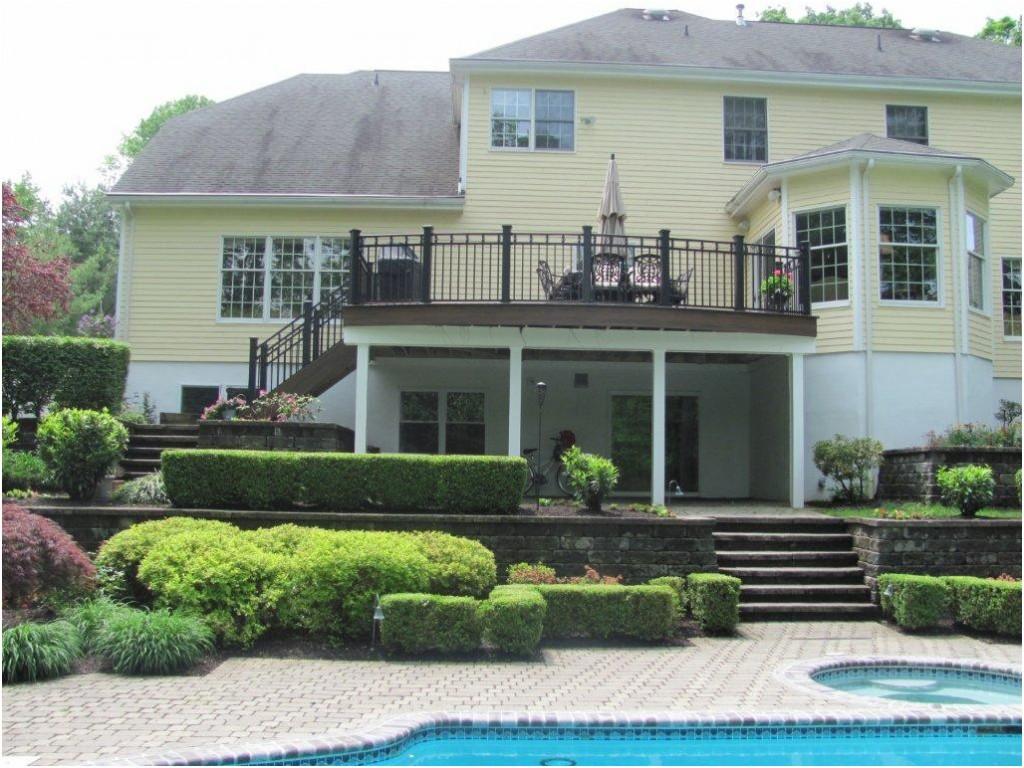
Is Hiring a Professional Deck Installer in Pennsylvania Worth It?
For most Pennsylvania homeowners, the answer is yes. The deck installation cost difference between DIY and professional construction narrows significantly when you account for permit complexity, material waste, tool costs, and the risk of structural errors. More importantly, a professionally built deck comes with documented compliance, warranty coverage, and the peace of mind that your family’s outdoor space is structurally sound.
DIY can be a rewarding and cost-effective path for experienced builders tackling smaller, simpler ground-level projects. But for elevated decks, complex designs, or first-time builders, the value of working with the best deck builders in Pennsylvania is clear.
Start by verifying contractor HIC registration, reading local deck builder reviews, and getting at least three detailed written quotes. Your deck will be part of your home for decades — invest in it wisely.
Ready to get started? Schedule a free on-site estimate with a licensed residential deck contractor in your area today.