KEY TAKEAWAYS
- Verified deck builders in Lancaster County PA should carry Pennsylvania HIC registration.
- Composite decking options typically costs 15–25% more upfront than pressure-treated wood but requires far less maintenance.
- Always request detailed project bids from local deck building services before making a decision.
- Deck permits are required in Lancaster County; a reputable contractor will handle the permit process for you.
- Verified customer reviews on Google, Houzz, and the BBB are reliable indicators of a contractor’s reliability and craft quality.
- If you want a fast turnaround, choose a company with dedicated crews and in-house project management.
Why Choosing the Right Deck Contractor in Lancaster County Matters
A well-built deck increases your home’s value — not just in curb appeal, but in livable square footage and resale return. Finding experienced local deck builders in Lancaster County PA, however, takes more than a quick online search. Lancaster County’s mix of older farmhouses, new suburban developments, and strict township zoning rules means your deck project has unique structural and regulatory requirements that not every contractor knows how to navigate.
This guide gives you a complete, no-fluff framework for identifying, comparing, and hiring the best residential deck specialists in the area. You’ll learn what questions to ask, what red flags to avoid, how materials stack up, and what a realistic project timeline looks like — so you can step onto your new deck with confidence, not regret.
How to Find and Hire Deck Builders Near You: A Step-by-Step Process
Whether you’re searching for “deck builders near me” or “deck construction companies near me,” following a structured hiring process protects your investment and reduces the risk of costly mistakes.
Step 1: Define your project scope and budget
Before contacting anyone, sketch out your vision: approximate square footage, desired materials (wood versus composite decking), any special features (built-in seating, railings, lighting), and a realistic budget range. This lets contractors give you accurate bids — not ballpark guesses.
Step 2: Verify Pennsylvania HIC registration
Pennsylvania requires all home improvement contractors to register with the Attorney General’s Office under the Home Improvement Consumer Protection Act (HICPA). You can confirm a contractor’s registration at Pennsylvania’s contractor verification tool. Never hire an unregistered company, regardless of price.
Step 3: Check insurance and bonding
Request proof of insurance and bonding (minimum $1 million coverage is standard) and workers’ compensation. If a crew member is injured on your property and the contractor isn’t covered, you could be liable. For more on Pennsylvania requirements, see the Pennsylvania Department of Labor & Industry.
Step 4: Read verified local reviews
Search for local deck builder reviews on Google Maps, Houzz, and the Better Business Bureau (BBB). Prioritize reviews that mention project complexity, timeline accuracy, communication quality, and how issues were resolved — not just star ratings. Learn how to recognize and avoid fake reviews from the FTC.
Step 5: Collect at least three written bids
An itemized written bid should itemize labor, materials, permit fees, and cleanup costs separately. Bids that list only a single lump sum make cost comparisons nearly impossible and can hide inflated markups. For pricing context, review typical deck construction costs in the region.
Step 6: Review the contract carefully
A detailed project contract specifies start and completion dates, fair payment terms (avoid paying more than 10–30% upfront), scope of work, workmanship warranty details, and how change orders are handled. Industry guidance from the National Association of Home Builders (NAHB) recommends having any contract over $1,000 reviewed before signing.
Step 7: Confirm permit handling
Lancaster County municipalities require required building permits for most decks. Ask the contractor explicitly: “Will you pull the permit, and is the permit fee included in my bid?” Professional established deck construction companies near you should handle this as a standard part of the job.
Deck Material Comparison: What Lancaster County Homeowners Should Know
Material choice drives cost, appearance, and long-term maintenance requirements more than almost any other variable. Here’s how the three most common options compare for Pennsylvania’s climate — including humid summers and freeze-thaw winters. For regional climate context, see NOAA climate data for Pennsylvania.
| Material | Avg. Cost / Sq. Ft. (Installed) | Lifespan | Maintenance Level | Best For |
|---|---|---|---|---|
| Pressure-treated lumber | $15–$25 | 15–25 years | High (annual sealing/staining) | Budget-conscious projects |
| Composite decking materials | $25–$45 | 25–30+ years | Low (occasional cleaning) | Low-maintenance, modern look |
| Premium hardwood decking | $30–$55 | 20–40 years | Medium (oiling every 1–2 years) | Premium aesthetics, natural feel |
Cost ranges reflect general market conditions for residential deck contractors in southeastern Pennsylvania. Actual pricing varies based on project complexity, site conditions, and current material costs.
Guidance on Material Selection
If you want the lowest initial cost and don’t mind annual maintenance, traditional wood decking is your best option. Most local deck building services work with it daily and can source it quickly. For maintenance guidance, see Penn State Extension’s deck care guide.
If long-term convenience matters more than upfront price, engineered low-maintenance decking from brands certified by ICC-certified building standards delivers a dramatically lower maintenance burden over a decade — making it the preferred choice for many experienced Pennsylvania deck installers. Research from the USDA Forest Products Laboratory supports composite durability claims.
Pros and Cons of Hiring a Local Deck Contractor vs. a National Chain
| PROS — Local Lancaster County contractors | CONS — Potential Drawbacks |
|---|---|
| Familiar with Lancaster County permit requirements | Smaller crews may mean longer timelines |
| Accountable to local reputation and community | May lack dedicated design software or showrooms |
| Easier to visit jobsite references nearby | Warranty service depends on company longevity |
| Often more flexible on scheduling and design | Some operate seasonally (spring–fall only) |
| Local material supplier relationships can reduce costs |
Do’s and Don’ts When Hiring Residential Deck Contractors
| Do’s | Don’ts |
|---|---|
| Request a clear, written contract before work begins. | Accept verbal commitments, no matter how trustworthy the contractor seems. |
| Verify the contractor’s HIC registration independently. | Assume a general business license equals an HIC registration — they are different. |
| Tour a completed local project the contractor has built nearby. | Rely solely on photos on a contractor’s website or social media. |
| Confirm the proper building permit is in the homeowner’s name or listed project address. | Let a contractor pull a permit in their own name only — this can affect your homeowner’s insurance coverage. |
| Withhold final payment until punch-list items are resolved. | Pay in full before the project passes its final inspection. |
The Strasburg Composite Deck Project
Consider a homeowner in Strasburg Township who received multiple detailed bids for a 400-square-foot deck addition: one at $9,800 (pressure-treated wood, no permit included), one at $14,200 (composite, permit included), and one at $18,500 (composite, custom railings, lighting). After visiting reference projects for each contractor, they chose the mid-range bid. The permit approval process revealed a required setback variance — something only the second contractor had flagged in advance. The project was completed on schedule, passed inspection the first time, and the homeowner avoided a potential stop-work order that a lower-priced, permit-skipping contractor might have triggered.
This scenario reflects a pattern frequently noted by Pennsylvania consumer protection resources: skipping the permit process is among the most common — and costly — mistakes homeowners make when hiring contractors. For more on common pitfalls, see 5 mistakes homeowners make when hiring deck contractors.
Quick Answers: Frequently Asked Questions
How much does it cost to build a deck in Lancaster County, PA?
A: Most homeowners in Lancaster County spend between $8,000 and $25,000 for a professionally built deck, depending on size, materials, and design complexity. Composite decking materials run higher than pressure-treated wood but require less long-term maintenance spending. For regional pricing context, see typical deck construction costs.
Do I need a permit to build a deck in Lancaster County?
A: Yes. Most Lancaster County municipalities require a building permit for any deck over a certain size or height — typically anything attached to the home or over 30 inches off the ground. Your contractor should handle Lancaster County permit guidelines as part of the project.
How do I find the best deck builders near me in Pennsylvania?
A: Search Google for “deck builders Lancaster County PA,” then cross-reference results with Pennsylvania’s official contractor verification portal, Google Reviews, and the BBB. Always request references and visit at least one completed local project. Start with top-rated Pennsylvania deck builders.
What is composite decking and is it worth the price?
A: Composite decking materials is a blend of wood fiber and recycled plastic that resists rot, splintering, and fading. For homeowners who want low-maintenance outdoor space, most experienced Pennsylvania deck installers consider it worth the premium cost over a 10-to-15-year horizon. See Remodeling Magazine’s Cost vs. Value Report for ROI data.
How long does it take to build a deck?
A: A standard 300–400 square foot deck typically takes typical deck construction timeline of one to two weeks of active construction once materials arrive. Permitting and material lead times can add two to six weeks to the overall timeline, depending on the season.
What warranty should a deck contractor provide?
A: A reputable contractor should offer a standard workmanship warranty of minimum one-year on labor. Material warranties are separate and vary by manufacturer — composite decking brands often carry 25-year limited warranties on their products.
Can I build my own deck in Lancaster County?
A: Homeowners can pull owner-builder permits for personal projects, but the work must still pass inspection and meet local building codes. For decks attached to the home’s structure, professional deck installers vs. DIY are generally recommended to ensure code compliance and structural integrity.
How do I verify a contractor is legitimate in Pennsylvania?
A: Use Pennsylvania’s official contractor verification portal to verify registration. Also confirm liability insurance by requesting a certificate directly from their insurer — not just a copy from the contractor. Learn more about verifying contractor credentials.
Glossary of Terms
Pennsylvania HIC registration requirements (Home Improvement Contractor)
A required state registration for contractors performing home improvement work in Pennsylvania, governed by the Home Improvement Consumer Protection Act (HICPA). It is distinct from a business license and verifiable through the PA Attorney General’s office.
Composite decking explained
A manufactured decking material made from a combination of wood fiber and plastic polymers. It resists moisture, rot, and insects better than natural wood and typically requires only periodic cleaning to maintain appearance. Performance is governed by ASTM standards for composite decking.
Frost Line
The depth below ground at which soil freezes during winter. In Lancaster County, the frost line is approximately 36 inches deep, and deck footings must extend below this level to prevent frost heave from shifting the structure. See Pennsylvania frost depth guidelines from Penn State Extension.
Formal change order process
A written amendment to a construction contract that documents scope changes, added materials, or price adjustments after work has begun. Any modification to the original deck plan should be formalized through a signed change order, never a verbal agreement.
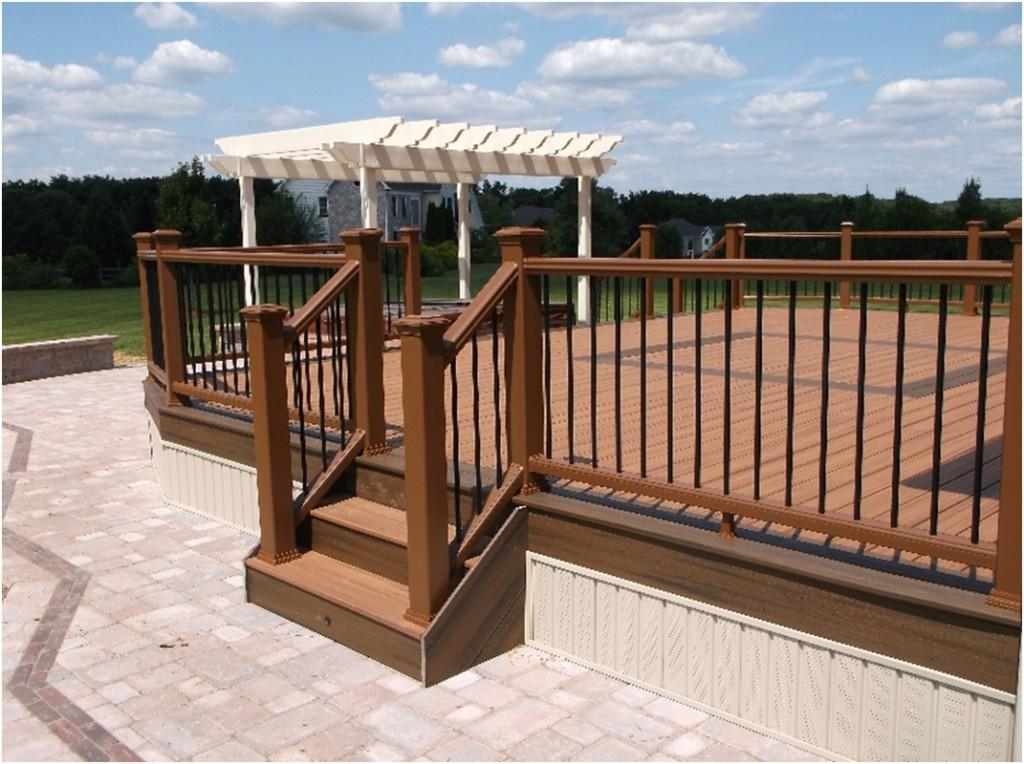
Conclusion: Build the Deck Your Lancaster County Home Deserves
Finding the right deck builders in Lancaster County PA doesn’t have to be a guessing game. With a clear project scope, verified licensing and insurance, multiple itemized bids, and a firm understanding of available decking materials, you’re positioned to make a confident, well-informed decision — and avoid the costly mistakes that come from cutting corners in the hiring process.
The best trusted local deck builders are transparent about proper permitting, forthcoming about timelines, and willing to show you their finished work. If a contractor resists any of those reasonable requests, that’s your signal to keep looking.
Your outdoor space is a lasting home improvement investment. Take the time to hire right, and that deck will pay dividends — in enjoyment, in home value, and in peace of mind — for decades to come.
Ready to get started? Use the step-by-step checklist above, collect your bids, and verify every contractor through Pennsylvania’s HIC registry before you sign anything. Your future deck is worth the extra due diligence.