Key Takeaways
- Deck installation cost depends far more on materials and design than on square footage alone.
- Composite and PVC decking cost more upfront but usually need far less maintenance over time.
- Raised decks, sloped yards, and poor soil add footing, framing, and safety costs quickly.
- Permits and code-required details are not optional extras, so make sure every quote includes them.
- Compare itemized quotes from licensed builders instead of choosing the lowest total price.
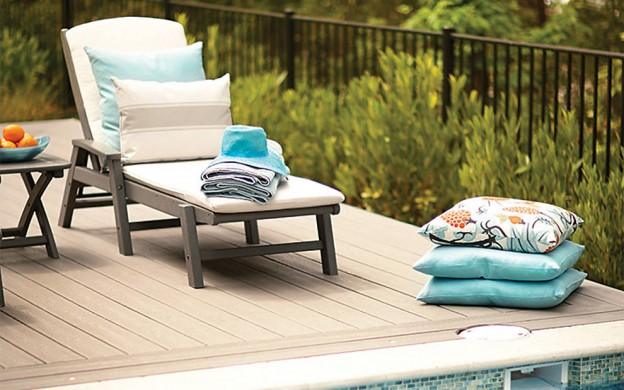
Two decks of the same size can come back with very different price tags, and many homeowners are caught off guard by the gap between quotes. The reason is simple: current deck installation costs in Pennsylvania are shaped by many decisions you may not see on a sketch, from what sits under the boards to how high the deck stands off the ground.
This guide breaks down the nine factors that drive the price of a new deck. You will learn what each factor changes, where it makes sense to spend more, where you can save, and how to compare builders so the quote you accept is the one you actually pay.
The 9 Factors That Shape Your Deck Installation Cost
1. Deck Size and Shape
Size is the most obvious factor. A larger deck needs more boards, more joists, more footings, and more labor hours.
Shape matters almost as much. A simple rectangle uses standard board lengths with little waste. Angled corners, curves, and wraparound layouts require extra cuts, extra blocking, and more skilled labor, which raises the price per square foot even when the total area stays the same.
2. Decking Material
Material is usually the biggest single driver of cost. Here is how the most common options compare.
| Material | Upfront Cost | Maintenance | Expected Lifespan | Best For |
|---|---|---|---|---|
| Pressure-treated pine | Lowest | High (staining, sealing) | Moderate | Tight budgets, simple decks |
| Cedar or redwood | Moderate | Moderate to high | Moderate | Natural look, mid-range budgets |
| Composite | Higher | Low | Long | Busy families, low upkeep |
| PVC (cellular vinyl) | Highest | Very low | Long | Pool decks, wet or humid areas |
| Tropical hardwood (e.g., ipe) | High | Moderate | Very long | Premium, high-end projects |
Pros vs. Cons of Composite Decking
Pros:
- Resists rot, insects, and splintering
- No yearly staining or sealing
- Consistent color and finish across boards
- Many lines come with long manufacturer warranties
Cons:
- Higher upfront price than pressure-treated wood
- Can get hot underfoot in direct summer sun
- Some lower-tier products may fade or show scratches
- Usually still sits on a wood frame that needs proper protection
If you plan to stay in your home for many years and dislike maintenance, premium composite decking like Trex or PVC often makes sense despite the higher starting price. If you need the lowest possible upfront cost and don’t mind staining every few years, pressure-treated lumber is a practical choice.
3. Framing and Substructure
The frame is the part of the deck you never see, and it is where cutting corners does the most damage. Joist size, joist spacing, beam design, and hardware all affect cost.
Composite boards often call for tighter joist spacing than some wood decking, which means more framing lumber. Many builders also add joist tape or use steel framing for longer life. The American Wood Council’s DCA 6 guide, a widely used reference for residential wood deck construction, outlines framing, fastening, and ledger requirements that inspectors commonly check.
4. Height and Site Conditions
A deck that sits a foot off the ground on a flat lot is far simpler than a second-story deck on a hillside. Height adds cost through:
- Taller posts and heavier beams
- Extra bracing for stability
- More stairs and guardrails
- Scaffolding or lifts for safe work at height
Site conditions also matter. Sloped yards, rocky or clay-heavy soil, tree roots, and limited equipment access all slow the work. Footings must reach below the local frost line, which is deeper in colder parts of the country, including much of Pennsylvania.
5. Design Complexity
Multi-level decks, custom built-in planters, picture-frame borders, inlays, and diagonal board patterns all look great. Each one also adds labor and material waste.
If your main goal is functional outdoor space on a budget, a single-level rectangle with straight boards delivers the most deck for the money. If curb appeal and resale value matter most, a few well-chosen design details can be worth the added cost.
6. Railings and Stairs
Choosing the right deck railings can make up a surprising share of the total budget. Pressure-treated wood railings are the most affordable. Composite, aluminum, cable, and glass systems cost progressively more but offer cleaner looks and less upkeep.
Stairs add cost per step, plus landings, handrails, and stair lighting if you want it. Model building codes such as the International Residential Code (IRC), published by the International Code Council, set requirements for guard heights, baluster spacing, and stair dimensions, so your builder cannot skip these details on a raised deck.
7. Permits, Codes, and Inspections
Most decks attached to a house or raised above a certain height need a building permit. Fees vary by municipality, and inspections may be required at the footing, framing, and final stages.
Permits protect you. An unpermitted deck can cause problems when you sell your home or file an insurance claim. In Pennsylvania, home improvement contractors are generally required to register with the Pennsylvania Office of Attorney General under the Home Improvement Consumer Protection Act, which also sets rules for written contracts. Always confirm a builder’s registration before signing.
8. Labor, Location, and Timing
Labor rates depend on your region, local demand, and the builder’s experience. Metro areas usually cost more than rural ones.
Timing plays a role too. Spring and early summer are peak season, and the most in-demand builders often book out weeks or months ahead. Scheduling your project in late fall or winter, where weather allows, can sometimes mean more flexible scheduling.
Experience costs more upfront but often saves money later. The best deck builders in Pennsylvania tend to have steady referral work, solid deck contractor reviews, and crews who build to code the first time.
9. Add-Ons and Removal of an Old Deck
Extras quickly change the final number. Common add-ons include:
- Built-in lighting and outlets
- Benches, planters, and privacy screens
- Custom pergola designs or shade structures
- Skirting to hide the space under the deck
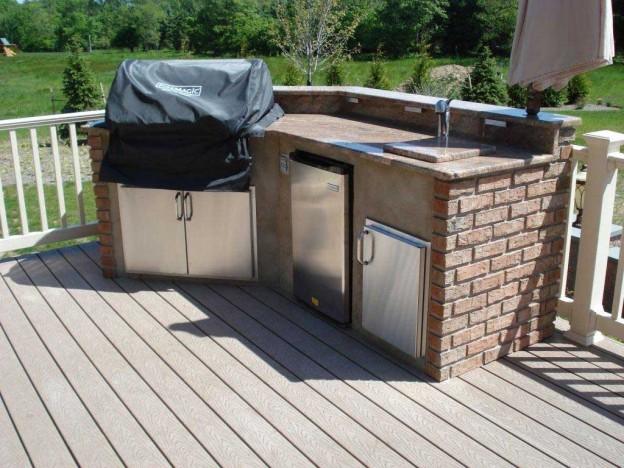
- Outdoor kitchen prep areas
If you are replacing an existing deck, demolition and disposal add to the bill. Some builders can reuse a sound frame, but only after checking for signs your deck needs to be rebuilt, such as rot, loose ledger connections, and outdated hardware.
How to Get an Accurate Deck Quote: Step by Step
- Define your goals. Decide how you will use the deck: dining, entertaining, a pool surround, or a quiet seating area.
- Set a realistic budget range. Include a cushion for permits, surprises under the soil, and add-ons.
- Research local builders. Find trusted deck builders near me, then read deck contractor reviews on Google and the Better Business Bureau.
- Verify credentials. Confirm registration, licensing where required, and liability insurance.
- Request at least three itemized quotes. Ask each builder to list materials, framing, railings, permits, and labor separately.
- Compare like for like. Make sure every quote uses the same materials and scope before comparing totals.
- Review the contract. Check payment schedules, timelines, warranties, and who pulls the permit.
Do’s and Don’ts When Budgeting for a Deck
Do:
- Ask for itemized quotes so you can see where money goes
- Plan for the deck’s full life, not just the install day
- Confirm the builder handles permits and inspections
- Check photos of finished projects similar to yours
Don’t:
- Choose a builder based on the lowest number alone
- Skip framing upgrades to afford fancier boards
- Pay most of the project cost upfront
- Assume an old frame can carry new decking without an inspection
Real-World Scenario
A homeowner in suburban Pennsylvania wants a 16-by-20-foot deck off the back door. The first quote is noticeably lower than the other two. On closer review, it uses wider joist spacing than the composite manufacturer recommends, leaves out the permit, and lists railings as “to be determined.”
The second and third quotes come from top rated deck builders PA homeowners had recommended online. Both include permits, proper joist spacing, and specific railing systems. Once the homeowner compares the quotes on equal terms, the gap shrinks, and the cheaper bid turns out to be missing work that would have been required anyway.
Quick Answers:
What is the biggest factor in deck installation cost?
A: Decking material is usually the biggest factor, followed by size and design complexity. Height and site conditions can also raise costs sharply.
Is composite decking worth the higher price?
A: For many homeowners, yes. Composite costs more upfront but needs little maintenance, so the long-term cost of ownership can be competitive with wood.
Do I need a permit to build a deck?
A: Most attached or raised decks need a permit. Check with your local building department or ask your builder to confirm.
Why do deck quotes vary so much?
A: Quotes vary because builders may use different materials, framing methods, and scopes. Itemized quotes make the differences easy to spot.
How can I lower the cost of a new deck?
A: Choose a simple rectangular design, a single level, and pressure-treated lumber. Building closer to the ground also reduces framing and railing costs.
How do I find reliable deck builders near me?
A: Read deck contractor reviews, ask for references, and verify registration and insurance. Look for builders with photos of completed projects similar to yours.
Does a raised deck cost more than a ground-level deck?
A: Yes. Raised decks need taller posts, stronger beams, more bracing, guardrails, and stairs, all of which add cost.
How long does deck installation take?
A: Many standard decks take a few days to a couple of weeks once work begins. Permits, weather, and design complexity can extend the timeline.
Glossary of Terms
- Joist: A horizontal framing board that supports the decking. Spacing between joists affects strength and which boards you can use.
- Ledger board: The board that attaches a deck to the house. A properly flashed and fastened ledger is critical for safety.
- Footing: The concrete base that supports each deck post. Footings usually must extend below the local frost line.
- Frost line: The depth to which ground freezes in winter. Building codes set footing depths based on this line to prevent shifting.
Conclusion
Your deck installation cost is not one number. It is the sum of choices about materials, framing, height, design, railings, permits, labor, and extras. Once you understand how those pieces fit together, you can spend on what matters most, such as a solid frame and a material that suits your lifestyle, and save on details that matter less to you.
The smartest move is to compare itemized quotes from licensed, well-reviewed builders who include permits and code-required work upfront. Ready to plan your new deck? Contact Bucks Mont Decks today for a detailed, itemized quote and a design built to last.