Key Takeaways
- A detailed deck cost breakdown shows exactly where each dollar goes before work begins.
- Decking material choice changes both your upfront price and your long-term maintenance costs.
- Labor and structural framing often cost more than homeowners expect on a new deck.
- Permits, footings, and site prep are the line items cheap quotes most often leave out.
- Itemized quotes from registered contractors are easier to compare and much harder to inflate later.
- Checking client testimonials protects your budget as much as choosing the right materials.
Most homeowners get their first deck quote, look at the total, and have no idea whether it’s fair. One builder comes in high, another comes in surprisingly low, and neither explains why. A clear deck cost breakdown solves that problem by showing you what you’re paying for, line by line.
This guide walks through every major cost category on a new deck, from lumber and fasteners to permits and footings. You’ll learn how material choices affect your price, which line items get hidden in vague quotes, and how to compare bids from different contractors with confidence. Whether you’re searching for local deck builders or vetting the top-rated Pennsylvania deck builders, this is the knowledge that keeps your project on budget.
The 5 Core Parts of a Deck Cost Breakdown
Every deck project, from a small landing to a multi-level outdoor living space, splits into the same five categories. The size of each one shifts based on your design, your yard, and your local building rules.
1. Decking and Railing Materials
This is the part you see and walk on every day, so it gets the most attention. Your decking material options, railings, and stairs is usually the biggest single driver of material cost. Railing is often underestimated: a long run of composite or aluminum deck railing styles can rival the cost of the deck boards themselves.
2. Structural Framing
Under every deck is a frame of joists, beams, and posts that does the real work. Most builders use pressure-treated lumber for framing, even when the visible surface is composite. The American Wood Protection Association sets treatment standards, and lumber rated for ground contact is required for posts and any wood near the soil.
3. Footings and Foundation
Footings anchor your deck to the ground and must extend below the local frost line, which your municipality sets. Digging, concrete, and post hardware add up quickly, especially on sloped lots or rocky soil. In Pennsylvania, you or your contractor must contact the PA One Call System (811) before digging so underground utilities get marked.
4. Labor
Labor covers design, layout, framing, board installation, railing, stairs, and cleanup. It’s often one of the largest parts of the total deck installation cost, because skilled framing takes time and precision. Experienced crews may charge more per day but often finish faster and with fewer costly mistakes.
5. Permits, Inspections, and Site Prep
Most Pennsylvania municipalities require a permit for a new deck under the Pennsylvania Uniform Construction Code, which is based on the International Code Council’s residential code. Permit fees, plan drawings, and inspections are real costs. Site prep, such as removing an old deck, clearing brush, or hauling away debris, also belongs in this bucket.
Comparing Decking Materials: How Your Choice Affects the Price
Material choice shapes your deck building costs for years, not just on install day. The table below compares the four most common options using general industry guidance rather than fixed prices, since local lumber markets change often.
| Material | Upfront Cost | Maintenance Needs | Expected Lifespan | Best For |
|---|---|---|---|---|
| Pressure-treated pine | Lowest | High (staining, sealing, board replacement) | Shortest of the four | Tight budgets, rental properties |
| Cedar or redwood | Moderate | Moderate to high (regular sealing) | Moderate | Natural wood look, smaller decks |
| Composite | Higher | Low (occasional washing) | Long | Families wanting low upkeep |
| PVC / cellular vinyl | Highest | Very low | Long | Pool areas, high-moisture settings |
If you plan to sell your home within a few years, pressure-treated wood may give you the best return for the lowest upfront spend. If you plan to stay for the long haul and hate weekend maintenance, composite or PVC usually costs less over the life of the deck once you factor in staining and repairs.
Pros vs. Cons of Composite Decking
Pros:
- Resists rot, splintering, and insect damage
- Little maintenance beyond washing
- Consistent color and finish across boards
- Many brands offer long manufacturer warranties
Cons:
- Higher upfront material price than wood
- Can get hot in direct summer sun, especially darker colors
- Scratches can’t be sanded out like natural wood
- Still needs a properly built wood or steel frame underneath
Hidden Costs That Inflate Your Deck Project Budget
The biggest budget surprises rarely come from the deck boards. They come from items a low quote quietly left out. Here’s what to look for.
- Removal of an existing deck. Tearing out and hauling away an old structure takes labor and dumpster fees.
- Grade and soil issues. Steep slopes need taller posts, more bracing, and sometimes engineered footings. If your yard slopes noticeably, expect your framing and footing costs to rise compared with a flat lot.
- Ledger attachment and flashing. Attaching a deck to your house requires a properly flashed ledger board to keep water out of your walls. Skipping this step is one of the most common causes of deck failure, according to the North American Deck and Railing Association (NADRA).
- Stairs and landings. Each set of stairs adds stringers, treads, railings, and sometimes a concrete landing pad.
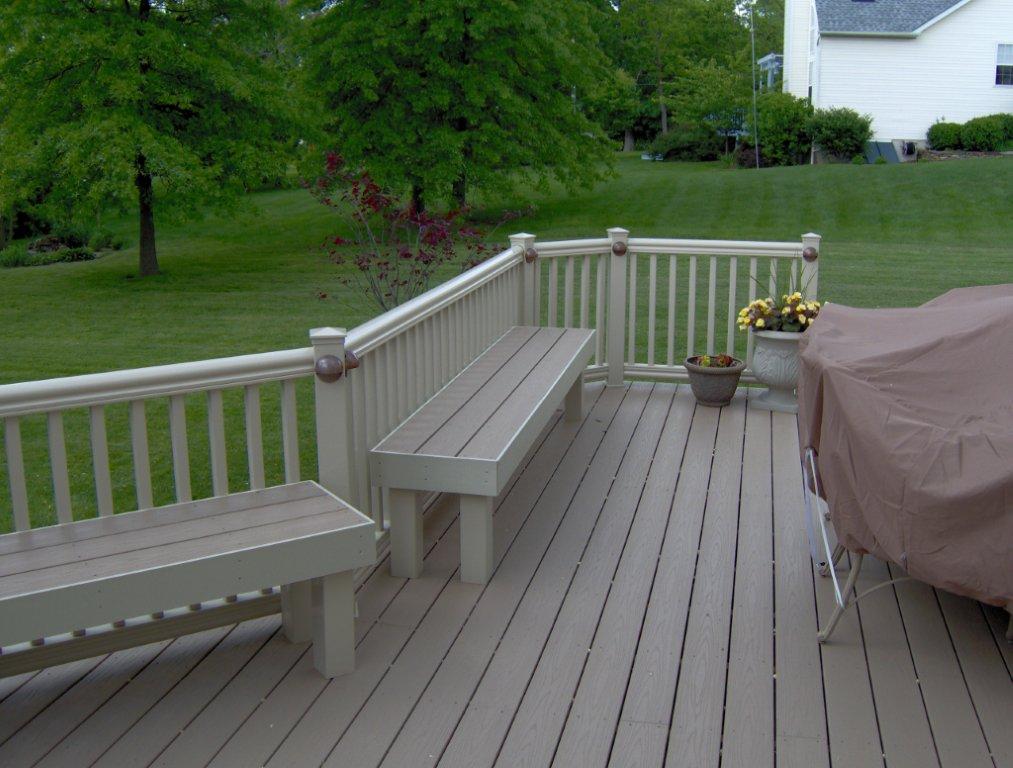
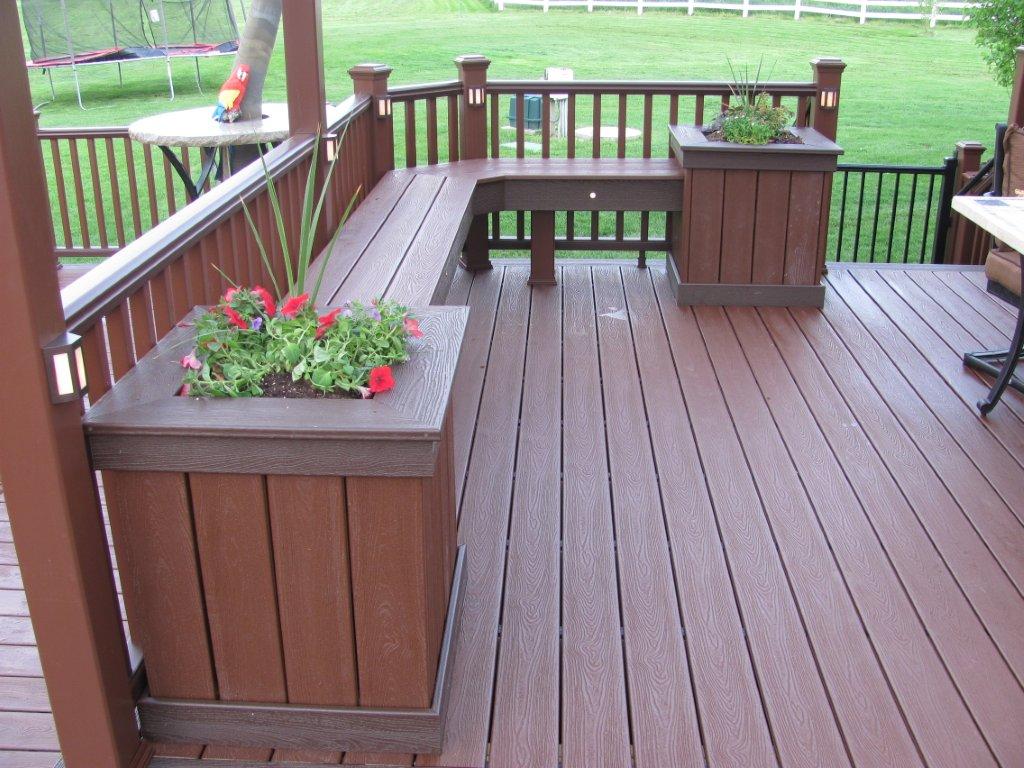
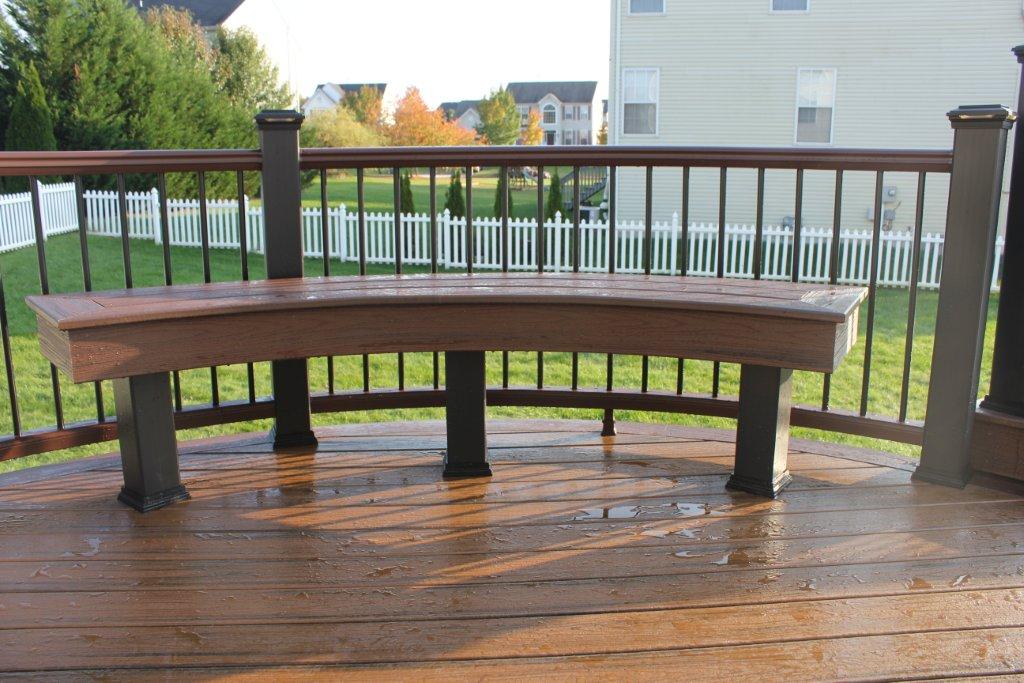
- Outdoor deck lighting, gates, and built-ins. Post cap lights, stair lights, benches, and privacy screens are add-ons. They’re worth budgeting for at the start rather than retrofitting later.
How to Compare Deck Quotes Step by Step
A low number on paper isn’t a low price if half the work is missing. Use this process to compare bids fairly.
- Get at least three itemized quotes. Ask each contractor to break out materials, labor, footings, permits, and add-ons separately.
- Match the scope line by line. Make sure every quote covers the same deck size, material grade, railing type, and number of stairs.
- Check what’s excluded. Look for phrases like “permit by owner” or “site prep not included,” which shift costs back to you.
- Confirm the material brands and grades. “Composite decking” can mean an entry-level line or a premium capped product with a much longer warranty.
- Verify PA contractor registration status. Pennsylvania’s Home Improvement Consumer Protection Act requires most home improvement contractors to register with the Pennsylvania Office of Attorney General. Ask for the registration number.
- Read client testimonials. Look for patterns in reviews on Google and the Better Business Bureau, especially comments about communication, timelines, and change orders.
- Review the payment schedule. Payments should be tied to completed milestones, not front-loaded before work starts.
Do / Don’t When Hiring a Deck Builder
| Do | Don’t |
|---|---|
| Ask for a written, itemized contract | Accept a single lump-sum price with no detail |
| Confirm permits are pulled by the contractor | Agree to skip permits to “save money” |
| Check insurance certificates for liability coverage | Assume every contractor carries insurance |
| Compare at least three top rated deck builders PA | Hire based only on the lowest number |
| Ask how change orders are priced | Approve extra work verbally without writing it down |
Real-World Scenario
A homeowner in Bucks County wanted a mid-sized composite deck off the back of the house with one set of stairs. They searched for deck builders near me and collected two quotes.
Quote A was noticeably lower and listed only “composite deck, installed.” Quote B was higher but broke out framing lumber, footing count and depth, ledger flashing, railing brand, stair details, permit fees, and debris removal. When the homeowner asked Builder A about the missing items, they learned permits, footings below frost depth, and old deck removal would all be billed separately as change orders.
Once those extras were added, Quote A landed close to Quote B, with less clarity and no defined warranty. The homeowner chose Builder B. The lesson: an itemized deck cost breakdown is a sign of an honest contractor, not an expensive one.
How Pennsylvania Rules Shape Your Deck Price
Pennsylvania adds a few local factors to the price of a new deck. Freeze-thaw cycles mean footings must go deeper than in warmer states, which adds digging and concrete. Many municipalities also require stamped drawings or detailed plans for decks above a certain height, adding design time.
Contractor registration under state law gives homeowners real protection, including written contract requirements and limits on deposits. When you’re narrowing down the best deck builders in Pennsylvania, registration status, insurance, and local permit experience should weigh as heavily as price.
If you want a builder who handles everything from drawings to final inspection, choose a full-service design-build contractor. If you already have approved plans and just need installation, a framing and install crew may be enough.
Quick Answers:
What is included in a deck cost breakdown?
A: A complete breakdown covers materials, structural framing, footings, labor, permits, inspections, and site prep. Add-ons like lighting, stairs, and railings should be listed as separate line items.
What is the most expensive part of building a deck?
A: It depends on the design, but materials and labor are usually the two largest costs. Premium railing and complex stairs can also take up a large share of the budget.
Is composite decking worth the higher price?
A: For homeowners planning to stay long term, composite often costs less over time because it skips yearly staining and sealing. For short-term ownership, pressure-treated wood is usually the more economical choice.
Do I need a permit to build a deck in Pennsylvania?
A: Most Pennsylvania municipalities require a permit for new decks under the Uniform Construction Code. Check with your local building office, or have your contractor pull the permit.
How can I tell if a deck quote is too low?
A: A quote is likely too low if it leaves out permits, footings, ledger flashing, or debris removal. Compare scope line by line instead of looking only at the total.
How do I find top rated deck builders in PA?
A: Start with verified Google reviews and Better Business Bureau profiles, then confirm Pennsylvania contractor registration and insurance. Ask for photos of completed projects similar to yours.
Why do deck prices vary so much between contractors?
A: Differences in material grade, crew experience, overhead, warranty terms, and what each quote includes all affect price. Two quotes with different scopes can’t be compared fairly.
How long does deck installation take?
A: Simple decks may take a few days to a couple of weeks once permits are approved. Larger or multi-level decks take longer, and permit approval can add time before work starts.
Glossary of Terms
- Footing: A concrete base set in the ground below the frost line that supports a deck’s posts and carries its weight.
- Ledger board: The board that attaches a deck directly to the house, which must be flashed to keep water out of the wall.
- Joist: One of the horizontal framing boards that run beneath the decking and support it, spaced at set intervals.
- Change order: A written agreement to modify the original contract scope, usually adding cost, after the project has started.
Conclusion
A new deck is a real investment, and knowing where every dollar goes puts you in control of it. Materials drive your look and long-term upkeep, while framing, footings, and labor determine how safe and durable the deck will be. Permits and site prep round out the picture, and they’re the items most likely to show up as surprise charges.
The smartest move you can make is to demand an itemized deck cost breakdown from every builder you consider. Pair that with registration checks and honest deck contractor reviews, and you’ll know exactly what you’re paying for.
Ready to plan your deck with a clear, itemized quote? Contact {{Business Name}} today for a free detailed deck estimate from a registered, insured Pennsylvania deck builder.