Key Takeaways
- Your deck installation price depends more on planning decisions than on lumber prices alone.
- Unpermitted work can force costly tear-outs when you sell or refinance your home.
- Composite costs more upfront but often saves money on long-term maintenance and repairs.
- Always verify your builder’s license, insurance, and Pennsylvania home improvement registration before signing.
- Mid-project design changes are one of the fastest ways to blow a deck budget.
- Booking your builder in the off-season can improve scheduling and flexibility.

A new deck is one of the best ways to add usable living space to your home. Yet many homeowners are surprised when the final deck installation price lands well above the first quote they heard.
The good news is that most of those overruns are not random. They come from a handful of predictable mistakes made before the first board goes down. In this guide, you’ll learn the seven most common ones, what each actually costs you, and how to work with the best deck builders in Pennsylvania to keep your project on budget.
Why Deck Building Costs Climb So Fast
The cost to build a deck is shaped by four main factors: size, materials, site conditions, and labor. A small change in any one of them ripples through the others.
For example, raising a deck a few feet higher means taller posts, deeper footings, more railing, and often a full staircase. That single choice can change your structural requirements, permit needs, and labor hours all at once.
The 7 Mistakes That Raise Your Deck Installation Price
1. Starting With a Vague Plan
Many homeowners request quotes with only a rough idea, like “a deck off the back door, maybe 300 square feet.” Builders then price their own assumptions, and the numbers vary wildly.
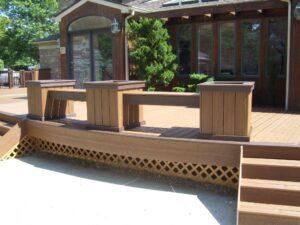
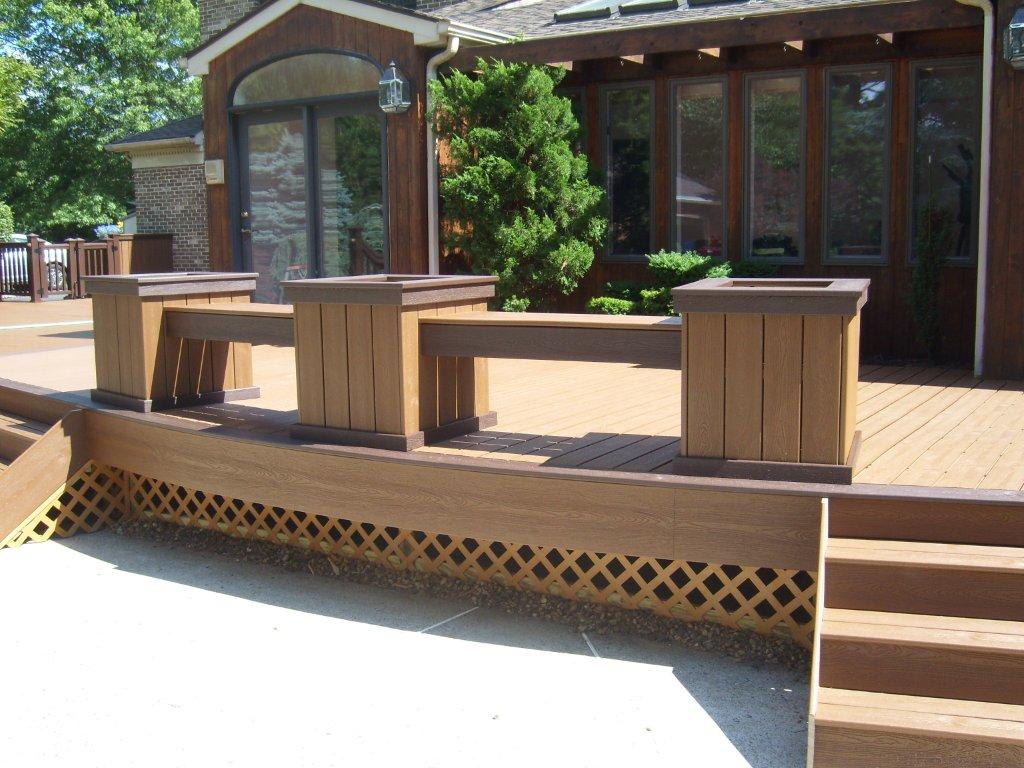
When the real design takes shape, the scope grows. Stairs, built-in benches, lighting, and wider landings each get added as extras.
If you want accurate quotes, give every builder the same written scope. Include size, height, material preference, railing style, and any features you’re considering.
2. Treating Permits as Optional
Most Pennsylvania municipalities require a permit for attached or elevated decks under the Pennsylvania Uniform Construction Code, which is administered through the Department of Labor & Industry and local code offices. Skipping a permit might save a few weeks upfront, but it creates serious risk.
Unpermitted decks can be flagged during a home sale or inspection. In the worst cases, owners must open up or rebuild the structure to prove it meets code. That turns a one-time permit fee into a second construction bill.
3. Choosing Materials on Sticker Price Alone
Pressure-treated lumber usually has the lowest upfront cost. But it needs regular sealing or staining and can crack, warp, or splinter over time. Composite costs more on day one but typically requires far less upkeep.
The right choice depends on how long you plan to stay and how much maintenance you’re willing to do. When comparing decking material options, consider both immediate costs and long-term value.
| Material | Upfront Cost | Maintenance | Durability | Best For |
|---|---|---|---|---|
| Pressure-Treated Pine | Lowest | High (seal or stain regularly) | Good with consistent care | Tight budgets, short-term plans |
| Cedar | Moderate | Moderate to high | Naturally resists rot and insects | Homeowners who want a natural wood look |
| Composite | Highest | Low (periodic cleaning) | Resists rot, splinters, and fading | Long-term owners who want low upkeep |
Pros and Cons of Composite Decking
Pros:
- Little ongoing maintenance beyond cleaning
- No splinters, which is helpful for kids and pets
- Consistent color and finish over time
- Often backed by long manufacturer warranties
Cons:
- Higher upfront price than wood
- Can get hot in direct summer sun
- Some products show scratches more easily
- Substructure framing is still typically wood and still needs proper construction
If you plan to sell within a few years, pressure-treated wood may make more financial sense. If you plan to stay long term, composite often pays off through lower maintenance costs.
4. Ignoring Your Site and Existing Structure
Slopes, poor drainage, rocky soil, and tight access all add labor. So does removing an old deck. Builders often find hidden problems once old boards come off, such as a rotted ledger board or water damage to the house’s rim joist. Knowing the signs your deck needs rebuilding can help you anticipate these issues early.
Footings must also reach below the local frost depth, which your municipality sets. Deeper footings mean more digging and more concrete. Before any digging, Pennsylvania law requires a call to PA One Call (811) to mark underground utilities.
A quick site visit from a qualified builder catches most of these issues before you sign, not halfway through the build.
5. Hiring the Lowest Bid Without Vetting
A low bid can look like a win until you see the change orders. Some contractors underbid to win the job, then make up the difference with “unexpected” extras. Watch out for these seven red flags in deck estimates.
Pennsylvania’s Home Improvement Consumer Protection Act requires most home improvement contractors to register with the Pennsylvania Office of Attorney General. The law also requires written contracts for covered projects and limits how much of a deposit a contractor can request upfront.
Before hiring, check deck contractor reviews on Google, the Better Business Bureau, and similar platforms. You can also read our client testimonials to see how we handle projects. Look for patterns in how builders handle problems, not just star ratings.
Pros and Cons of Accepting the Lowest Bid
Pros:
- Lower number on paper
- May work if scope is fully defined and the contractor is verified
Cons:
- Higher risk of change orders and hidden fees
- May reflect cheaper materials or skipped steps
- Less likely to include permits, cleanup, or warranties
6. Booking at the Last Minute in Peak Season
Spring and early summer are the busiest months for deck builders in Pennsylvania. Homeowners who wait until May to start calling often face longer wait times and less scheduling flexibility.
Planning in late fall or winter gives you time to compare designs, finalize permits, and lock in a start date. Learn more about the best time of year to hire deck builders. Many builders also have more room to work with you on scheduling during slower months.
7. Changing the Design Mid-Build
Every change after construction starts costs more than the same change made on paper. Moving stairs, widening a section, or switching railing styles can mean removing finished work, reordering materials, and amending permits.
Make your design decisions before the contract is signed. If you’re unsure about a feature, ask your builder to price it as an optional add-on so you can decide early.
How to Get an Accurate Deck Quote: Step by Step
- Define your goals. Decide how you’ll use the deck: dining, entertaining, a hot tub, or simple outdoor seating.
- Set a realistic budget range. Include a contingency for unexpected repairs, especially if you’re replacing an old deck. Review current deck installation costs in Pennsylvania to help set expectations.
- Sketch a basic layout. Note size, height, stairs, and access points.
- Choose a material direction. Use the comparison table above to narrow it down.
- Shortlist three builders. Search “deck builders near me,” then filter by reviews, licensing registration, and portfolio quality.
- Request itemized written quotes. Ask each builder to list materials, labor, permits, demolition, and cleanup separately.
- Compare scope, not just totals. Make sure every quote covers the same work before deciding.
- Confirm permits and timeline in writing. Your contract should state who pulls the permit and the expected schedule.
Do’s and Don’ts for Keeping Your Deck Budget on Track
Do:
- Get at least three itemized quotes for the same scope
- Verify Pennsylvania home improvement contractor registration
- Ask for proof of liability insurance
- Ask how the builder attaches the deck to your house
- Review the American Wood Council’s deck construction guide to understand basic structural standards
Don’t:
- Pay a large deposit before reviewing the contract
- Accept a verbal quote
- Skip the permit to save time
- Choose materials without thinking about maintenance costs
- Add features after construction begins without a written change order
A Tale of Two Quotes
A homeowner in Montgomery County wants a 16 by 20 foot composite deck off the kitchen. Builder A quotes a low number with a one-line description. Builder B quotes higher but itemizes demolition of the old deck, permits, footings, framing, composite boards, railing, and stairs.
The homeowner picks Builder A. During demolition, the crew finds a rotted ledger board. Builder A charges extra for the repair, then adds permit fees and railing upgrades that weren’t in the original quote. By the end, the project costs more than Builder B’s original price, and it finishes weeks later.
The lesson: an itemized quote from a vetted builder protects you from surprises far better than a low headline number.
Quick Answers:
What affects deck installation price the most?
A: Size, height, materials, and site conditions have the biggest impact. Labor, permits, and removing an old deck also add to the total.
Is composite decking worth the higher upfront cost?
A: For long-term homeowners, often yes. Composite typically needs less maintenance than wood, which can offset the higher initial price over time.
Do I need a permit for a deck in Pennsylvania?
A: Most attached or elevated decks require a permit under the Pennsylvania Uniform Construction Code. Check with your local municipal code office to confirm.
How do I find top rated deck builders in PA?
A: Search local listings, read deck contractor reviews on multiple platforms, and verify registration with the Pennsylvania Office of Attorney General.
Why do deck quotes vary so much?
A: Builders often price different assumptions about materials, scope, and site work. Giving every builder the same written scope makes quotes easier to compare.
When is the best time to plan a deck project?
A: Late fall and winter are ideal for planning. This gives you time for design and permits before the spring rush.
Should I always choose the cheapest deck builder?
A: No. The lowest bid can lead to change orders, cheaper materials, or skipped permits that cost more in the end.
Can an old deck be resurfaced instead of replaced?
A: Sometimes, if the framing is structurally sound. A builder should inspect the substructure and ledger connection before recommending resurfacing.
Glossary of Terms
- Ledger board: The board that attaches a deck to the house. A poorly installed or rotted ledger is a common cause of deck failures.
- Footing: The concrete base that supports each deck post. Footings must extend below the local frost depth.
- Change order: A written agreement to change the project scope after the contract is signed. It usually adds cost and time.
- Frost depth: The depth to which ground freezes in winter. Footings placed above it can shift as soil freezes and thaws.
Conclusion
Your deck installation price is not just about lumber and labor. It’s shaped by the decisions you make before construction starts. A clear plan, the right permits, smart material choices, and a properly vetted builder can save you from the most common and most expensive surprises.
Ready to start your project the right way? Contact our team for a detailed, itemized quote and a site visit before you commit.